Do colleges care what time you submit your application down to the minute? Mostly no, but the deadline still has a real cutoff, and the time zone it's measured in isn't always the one you'd assume. This guide covers how the actual cutoff works, why some colleges run on their own clock instead of yours, and how to avoid the real risk: a technical failure with no time left to fix it.

What Time Is the Actual Deadline?
What time are college applications due, specifically: most run on an 11:59 PM cutoff, but which 11:59 PM depends on the platform and, sometimes, the individual school.
| Platform or School | Deadline Time Zone |
|---|---|
| Common App (most member schools) | Applicant's local time zone |
| MIT | Eastern Time, regardless of applicant location |
| Individual colleges | Check each school's own stated policy |
The date on the calendar matters far more than the specific minute. But that cutoff time is real, and assuming it doesn't apply to you is a mistake worth avoiding entirely.
How Time Zones Actually Work

According to Common App's own support page on submission deadlines, the cutoff is 11:59 PM in the applicant's local time zone, not the college's and not the Common App's own base in Eastern Time. A student in California submitting at 11 PM Pacific will see a timestamp showing a later Eastern date, but that later timestamp doesn't count against them.
Not every school follows that rule, though. MIT's own published deadline requirements set Early Action and Regular Action deadlines in Eastern Time for every applicant, regardless of where that student actually lives. A student in Hawaii applying to MIT has a real cutoff hours earlier than local midnight, which makes checking each school's specific policy worth the five minutes it takes.
Does Submitting Early vs. Last-Minute Matter?
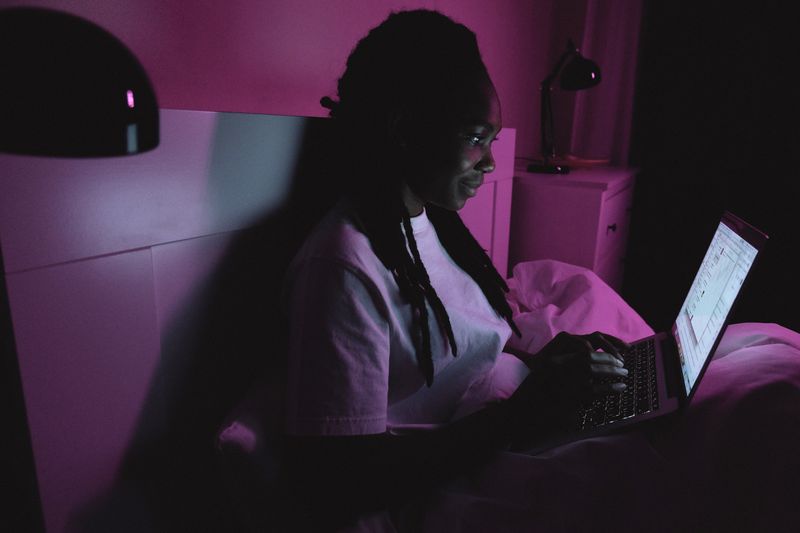
Submitting at 8 PM instead of 11:58 PM doesn't make an admissions reader think more highly of you. Nobody's evaluating punctuality as a character trait here. What early submission actually protects against is risk: application portals see their heaviest traffic in the final hours before a deadline, and a payment error, a corrupted upload, or a server slowdown at 11:55 PM leaves you no room to fix anything.
That's the entire argument for submitting early. It's not about strategy. It's about not gambling a finished application on your internet connection holding up for one more minute.
What Happens If You Miss the Exact Time?

Policy varies genuinely by school. Some admissions offices grant a short grace period for a documented technical failure, especially if your submission attempt is timestamped before the deadline even if it didn't fully process. Others hold the line with no exceptions regardless of the reason.
Don't plan around the hope of leniency. Treat the stated deadline as firm, and if a real technical problem happens anyway, contact the admissions office directly and immediately rather than waiting to see if it resolves itself. A related timing question, whether missing recommendations can hold up submission entirely, is covered in our guide to submitting your application before recommendations are in.
How to Avoid Submission Problems

- Confirm each school's specific time zone policy, since most follow your local time but some, like MIT, don't.
- Submit at least a full day early, not in the final hour, purely to give yourself room if something breaks.
- Save your submission confirmation. Screenshot the timestamp in case you ever need to prove exactly when you submitted.
- Double-check every required piece landed, not just the main application, since a missing supplemental form can matter as much as a late main app.
- Have the admissions office's direct contact ready before the deadline, not after something's already gone wrong.
If you're still finishing pieces of the application itself, our guide to building a college application spreadsheet helps track what's actually done versus what still needs submitting.
Common Mistakes Students Make
Assuming every school uses your local time zone. Most do. A few, like MIT, explicitly don't, and assuming otherwise can cost you real hours.
Waiting until the final hour to submit. The risk isn't admissions judgment, it's a technical failure with zero time left to recover from it.
Not saving proof of submission. A timestamped confirmation is the only real evidence you have if a dispute ever comes up about when something was actually submitted.
Frequently Asked Questions
Do colleges care what time you submit your application?
The date matters far more than the exact minute, but the deadline does have a real cutoff time, typically 11:59 PM. Most colleges use the applicant's local time zone, though some, like MIT, run on their own time zone regardless of where the student lives.
What time zone does the Common App deadline use?
The applicant's local time zone, according to Common App's own support page. The Common App's servers are based in Eastern Time, so a submission timestamp can show a later date than the student's actual local time, but the local time is what determines whether it's on time.
Do all colleges use the applicant's local time zone?
No. Most do, but some set their deadline in their own time zone regardless of where the applicant lives. MIT's admissions deadlines run on Eastern Time for every applicant, based on MIT's own published deadline requirements.
Does submitting early instead of at the last minute actually help?
It doesn't improve how an admissions committee evaluates your application, but it protects you from real risk: portals see heavy traffic right before deadlines, and a technical problem at 11:55 PM leaves no time to fix it.
What happens if a college application arrives a few minutes late?
Policies vary by school. Some accept a short grace period for genuine technical issues, especially if you can show you started submitting before the deadline. Others enforce the cutoff strictly with no exceptions, so don't count on leniency.
Can you check what exact time your application was submitted?
Yes. The Common App and most application portals show a timestamp on your submission confirmation. Save or screenshot that confirmation in case you ever need to prove exactly when you submitted.
Should international students worry about time zones differently?
Yes, more than domestic applicants. An international student needs to convert the deadline into their own local time carefully, since a small miscalculation across a large time difference can mean submitting a full day off from what was intended.
What's the safest time to actually submit?
At least a full day before the deadline, not the final hour. This has nothing to do with impressing admissions readers and everything to do with giving yourself time to fix a technical problem if one comes up.
The Bottom Line
Do colleges care what time you submit your application comes down to a real but narrow answer: the date matters, the exact minute mostly doesn't, and the real risk isn't admissions judgment but a technical failure with no time left to recover. Know which time zone each school actually uses, and submit with a full day of buffer rather than racing the clock.
If part of what's still unfinished is a project worth writing about, the Aspire Research Fellowship fits a complete original research project into 12 weeks, with enough runway to finish well ahead of any deadline. Over 20,000 students have gone through the program, with an acceptance rate of roughly 10%, open to grades 8 through 11.
Apply to the Aspire Research Fellowship →
For the full breakdown of deadline types themselves, see our guide to when most college applications are due.