A resume for college application purposes isn't automatically required, and most students don't realize the Common App's own Activities section already covers most of what a resume would show. This guide covers when you actually need a standalone resume, how it differs from the Common App activities list, what goes on it, and how to format one that actually gets read.

Do You Actually Need One?
A college application resume isn't a universal requirement the way an essay or transcript is. Whether you need one depends entirely on where you're applying and who's going to read it.
| Situation | Do You Need a Resume? |
|---|---|
| Applying only through the Common App, no optional upload offered | Usually not, the Activities section covers it |
| College offers an optional resume upload field | Worth submitting if it adds real detail beyond the Activities section |
| Reaching out to a research mentor, coach, or specific program | Yes, they're not reading your Common App |
| Applying for an external scholarship | Check the specific requirements, often yes |
Several Common App member colleges, including Brown, Boston College, Georgia Tech, and Carnegie Mellon, provide a dedicated optional resume upload field, according to The Princeton Review's guidance on high school resumes. Where that field doesn't exist, submitting an unrequested document usually doesn't help.
Resume vs. the Common App Activities Section

The Common App's Activities section is a structured form: 10 entry slots, a character limit per description, and a fixed set of category dropdowns. Our guide to filling out the Common App activities section covers that form's own rules in detail. A resume is a document you design yourself. That freedom is the entire point of building one.
A resume lets you group activities by category instead of listing them in whatever order the form defaults to. It lets you write full sentences instead of fitting a description into a character count. And it lets you add sections the Activities form simply doesn't have, a short summary line, a specific skills section, or a more detailed breakdown of a research project than 150 characters allows. If you're deciding which activities are even strong enough to include, our guide to extracurricular activities for a resume covers that selection process in depth.
What Goes on a College Application Resume

A college application resume needs five sections, and not every one needs an entry if it genuinely doesn't apply to you:
- Contact information: name, email, phone number, and city/state. No home address needed.
- Education: school name, expected graduation year, GPA if strong, relevant coursework if space allows.
- Activities and leadership: clubs, sports, research, and organized commitments, with your role and rough time commitment for each.
- Honors and awards: academic, competition, or community recognitions, listed specifically rather than vaguely.
- Work or volunteer experience: paid jobs or sustained volunteer roles, if they exist and add something the activities section doesn't already show.
Skip a section entirely rather than including an empty header. A resume with four strong sections reads better than one with five, where the fifth is padded to exist.
How to Format It
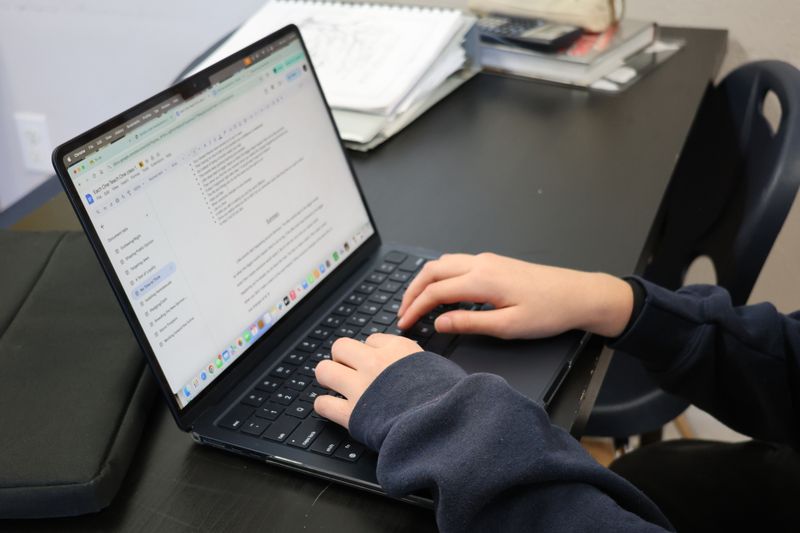
One page. That's the format rule with almost no exceptions at the high school level. Admissions officers move through applications quickly, and a one-page limit forces you to include only your strongest material instead of every activity you've ever touched.
Beyond length, keep formatting simple: one font, consistent heading sizes, and enough white space that the page doesn't look cramped. A resume that requires the reader to squint through 9-point text to fit everything on one page has the wrong problem solved, cut content instead of shrinking the font. Regis College's admissions guidance echoes the same standard: clear, scannable, one page.
Common Mistakes Students Make
Listing everything instead of curating. A resume isn't a diary of every activity since freshman year. It's a curated highlight reel of your strongest, most specific material.
Submitting a resume nobody asked for. If a college's application doesn't have a resume upload field and doesn't mention one in its instructions, adding one unprompted rarely helps and can read as not following directions.
Copying the Common App Activities section word for word. A resume that just repeats the same 150-character descriptions wastes the extra room a resume format actually gives you.
How to Build One Step by Step

- Check whether you actually need one first. Confirm your target colleges either have an optional resume upload or that you're sending it to someone outside the Common App system.
- List everything, then cut hard. Start broad, then remove anything that's brief, vague, or doesn't add something the Activities section doesn't already cover.
- Group by category, not chronology. Education, activities, honors, and work experience as clear headers, not a single running list.
- Write real descriptions, not titles. "Member" tells a reader nothing. What you specifically did and achieved tells them something.
- Fit it to one page, cutting content rather than shrinking font size or margins to force a fit.
If a project outside your school's structure is what you're missing, the Aspire Research Fellowship pairs you with a PhD-level mentor and a recent ISEF champion over 12 weeks to build something genuinely resume-worthy from scratch.
Frequently Asked Questions
Do you need a resume for college applications?
Not always. The Common App's Activities section already captures most of what a resume would show. A standalone resume matters most when a specific college offers an optional upload field, or when you're submitting to someone outside the Common App system, like a research mentor, coach, or scholarship committee.
What's the difference between a resume and the Common App activities section?
The Common App Activities section is a structured, character-limited form with 10 entry slots. A resume is a free-format document you design yourself, letting you organize by category, add more detail per entry, and include sections the Activities form doesn't have, like a summary or specific skills.
How long should a college application resume be?
One page, with rare exceptions. Admissions officers read a large volume of applications, and a one-page resume forces you to prioritize your strongest material instead of padding it with everything you've ever done.
What sections go on a college application resume?
Contact information, education, activities and leadership, honors and awards, and work or volunteer experience if relevant. Not every section needs an entry if it doesn't apply, an empty section header just wastes space.
Should you submit a resume if a college doesn't ask for one?
Generally no. Several Common App member colleges, including Brown, Boston College, Georgia Tech, and Carnegie Mellon, provide a dedicated optional resume upload field. Where that field doesn't exist, adding an unrequested document rarely helps and can read as not following instructions.
How is a college application resume different from a job resume?
A job resume centers on relevant work experience and skills for a specific role. A college application resume centers on academic performance, extracurricular depth, and leadership, since the reader is evaluating potential and character, not job qualifications.
Can research be listed on a college application resume?
Yes, and it's one of the strongest entries available. An original research project with a concrete result, a paper, a competition placement, a published abstract, gives an admissions reader something specific to evaluate, unlike a vague club membership line.
What's the biggest mistake students make with a college application resume?
Treating it as a place to list everything rather than a curated document. A one-page resume padded with minor, brief activities reads as less focused than a shorter one that only includes real depth.
The Bottom Line
A resume for college application purposes is optional almost everywhere, but where it's offered or requested, it's worth building well rather than skipping. It gives you room the Common App's Activities form doesn't: real sentences, your own organization, and space to make your strongest material actually land.
If what's missing from your resume is a project with real depth behind it, the Aspire Research Fellowship pairs you with a PhD-level mentor and a recent ISEF champion over 12 weeks to build one from question to result. Over 20,000 students have gone through the program, with an acceptance rate of roughly 10%, open to grades 8 through 11.
Apply to the Aspire Research Fellowship →
For help deciding which activities actually belong on it, see our guide to extracurricular activities for a resume.