Biomedical engineering research programs for high school students get treated like an exclusive club that requires an engineering background just to knock on the door. Most students who end up doing real biomedical engineering work started with biology, curiosity, and a willingness to learn tools as they went. This guide covers what counts as biomedical engineering research at the high school level, where real programs exist, whether you need prior engineering coursework, and project ideas worth exploring.

What Is Biomedical Engineering Research for High Schoolers?
High school biomedical engineering research applies engineering principles to biological or medical problems: designing a device, modeling how something interacts with tissue, or building a tool that measures or diagnoses something. That's the line that separates it from general biology or medical research, where the work is closer to observing or testing rather than designing and building.
| Program Type | Format | Typical Selectivity |
|---|---|---|
| University-run summer programs | In-person, lab or research-based | Often selective, sometimes highly |
| National lab internships | In-person or hybrid | Selective, application-based |
| Virtual mentorship programs | Remote, project-based | Varies by program |
| Self-directed / ISEF-focused projects | Independent, with a mentor | Not selective to start, but the resulting project competes selectively |
Structure and cost vary a lot across these four categories. Match the type to what you actually want before you apply, not after.
Where to Find Biomedical Engineering Research Programs
University-Run Summer Programs
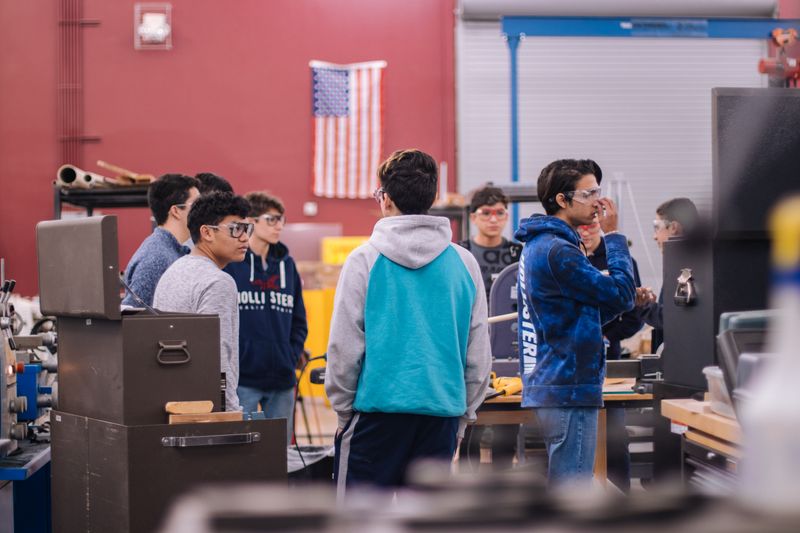
Many universities run summer programs with a biomedical engineering track specifically for high schoolers, combining coursework with lab exposure or a guided research project. These typically post applications several months before the program starts, and selectivity ranges widely depending on the school and program size.
Virtual and Mentorship-Based Programs
Biomedical engineering internships for high school students increasingly exist in remote formats too, pairing a student with a mentor for a project built over weeks instead of a fixed on-campus schedule. NIH's high school internship listings are one real place to start looking, and none of them require relocating for the summer. Biomedical Engineering is also its own official category at Regeneron ISEF, so a self-directed project built with a mentor has a direct path to competition, not just a certificate at the end of a program.
Do You Need an Engineering Background to Start?
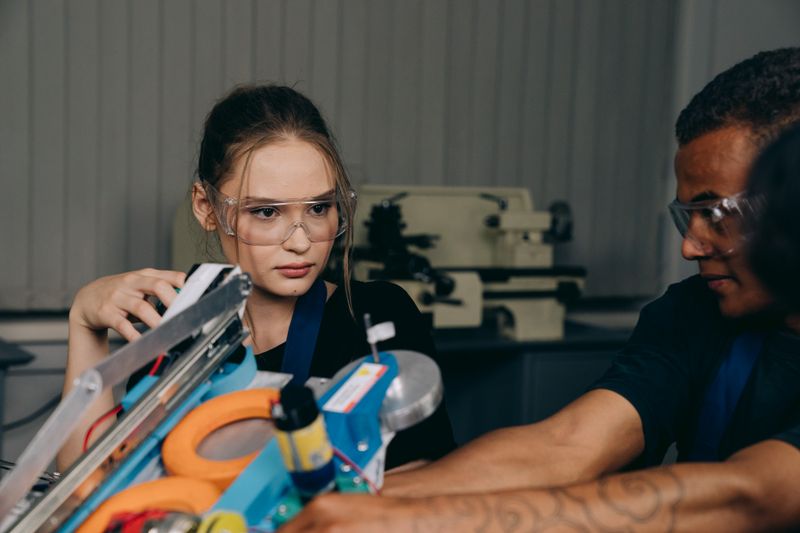
Most students who start biomedical engineering research show up with biology, some physics, and maybe a coding class. Not formal engineering training. Programs and mentors care more about whether you can pick up a specific tool or method when the project needs it than whether you walked in already knowing it.
Lab access isn't a requirement either. A significant number of ISEF projects in 2025 were completed without any lab access, and biomedical engineering is no exception. Computational modeling, low-cost prototyping with household materials, and projects built on public datasets are all legitimate paths.
Biomedical Engineering Project Ideas for High Schoolers
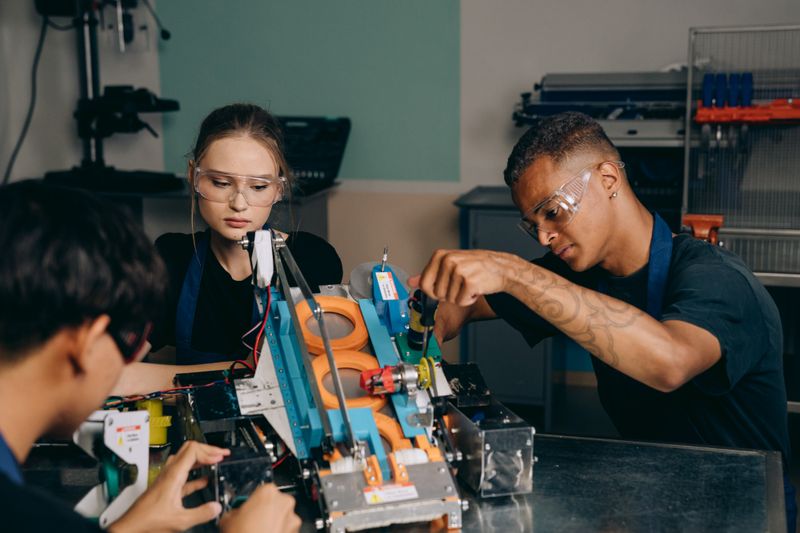
Real biomedical engineering ISEF project ideas tend to fall into a handful of categories:
- Assistive devices. Low-cost prosthetic attachments, mobility aids, or adaptive tools for a specific physical limitation.
- Diagnostic tools. Simple, low-cost devices or tests that detect a specific condition or measurement.
- Wearable sensors. Devices that track a health metric like heart rate, movement, or posture, often built with accessible electronics.
- Biomaterials and tissue modeling. Testing how a material interacts with simulated or real biological tissue, often starting with computational modeling.
The strongest projects in any of these categories start from a specific, narrow question, not a broad topic. "A cheaper prosthetic hand" is a topic. "Does a specific 3D-printed joint design improve grip strength in a low-cost prosthetic hand by X percent" is a research question.
How to Get Into a Competitive Program
- Apply early. Selective university programs often close applications months before the program starts.
- Show a specific interest, not a broad one. "I want to help people through medicine" is weaker than "I'm curious how 3D-printed materials affect prosthetic durability."
- Bring something you've already started, if you can. A rough independent project, even an unfinished one, shows initiative beyond coursework.
- Get a recommendation from someone who's seen you work through a problem. A science teacher who watched you troubleshoot a failed experiment writes a stronger letter than one who only knows your grade.
- Apply to more than one program. Selective biomedical engineering programs reject qualified students regularly, so a single application is a risky plan.
If you're still narrowing down a topic before applying anywhere, our guide to how to start a research project in high school covers that earlier stage.
Common Mistakes Students Make
Assuming you need a lab before you can start. Waiting for university lab access delays students by months or years when computational and low-cost prototyping approaches are available now.
Choosing a topic too broad to actually research. "Biomedical engineering" isn't a project. A specific device, material, or measurement problem is.
Skipping mentorship because a topic feels too technical to ask about. A mentor who's recently judged or competed in this space can point out in one conversation what would otherwise take months of trial and error to discover alone.
For a closely related path focused specifically on medical research access, our guide to Stanford medical school research opportunities for high schoolers covers one well-known university option.
Frequently Asked Questions
What counts as biomedical engineering research for high schoolers?
Biomedical engineering research for high schoolers covers projects that apply engineering principles to biological or medical problems: designing a low-cost prosthetic, building a wearable health sensor, modeling how a device interacts with tissue, or developing a diagnostic tool. The core work involves designing, building, or modeling something, not just observing a biological process.
Do you need an engineering background to start biomedical engineering research?
No. Most students who start biomedical engineering research have taken biology and some physics or a coding class, not formal engineering coursework. Programs and mentors expect curiosity and willingness to learn specific tools as needed, not prior engineering training.
Where can high school students find biomedical engineering research programs?
University-run summer programs, national lab internships, and virtual mentorship programs all offer biomedical engineering tracks for high schoolers, though exact offerings shift year to year. Many post application windows months ahead of the program start date.
What are examples of biomedical engineering projects for high schoolers?
Common project areas include designing an assistive device, building a low-cost diagnostic tool, modeling how a material interacts with biological tissue, and creating a wearable sensor for tracking a specific health metric. Each can scale from a school science fair project to an ISEF-level submission depending on depth.
Are biomedical engineering summer programs competitive?
It depends heavily on the program. University-affiliated summer programs with a research or lab component tend to be more selective than local or virtual project-based options, sometimes admitting a small fraction of applicants.
Can you do biomedical engineering research without lab access?
Yes. A significant number of ISEF projects in 2025 were completed without any lab access, and biomedical engineering is no exception. Computational modeling, low-cost prototyping with household materials, and data-driven projects using public datasets are all legitimate paths.
Does biomedical engineering research help with college admissions?
Yes, but the label alone doesn't do the work. What matters is a finished project the student can explain in depth: what problem they targeted, what they built or modeled, and what they found. A vague line about "biomedical engineering research" with nothing to back it up reads as weak.
What's the difference between biomedical engineering and general biomedical research?
Biomedical engineering research specifically involves designing, building, or modeling a device, tool, or system. General biomedical research can include lab-based biology, chemistry, or medical studies without any engineering or design component. The two overlap but aren't identical.
The Bottom Line
Biomedical engineering research programs for high school students aren't limited to a handful of elite university tracks. Between summer programs, virtual mentorship, and self-directed projects that need nothing more than a specific question and a willingness to prototype with what's available, the entry point is wider than most students assume before they look. What separates a strong application to any of these paths from a weak one is specificity: a device, a measurement, a material, not a vague interest in "helping people through science."
If you want a mentor who can turn a rough biomedical engineering idea into a competitive, ISEF-caliber project, the Aspire Research Fellowship pairs you with a PhD-level mentor and a recent ISEF champion over 12 weeks. Over 20,000 students have gone through the program, with an acceptance rate of roughly 10%, open to grades 8 through 11.
Apply to the Aspire Research Fellowship →
For more on research opportunities beyond biomedical engineering specifically, see our guide to research opportunities for high school students.