Research opportunities for high school students include university summer programs, paid and unpaid research internships, structured mentorship fellowships, independent projects, and science competitions like ISEF. The best option depends on your grade, field of interest, and whether you want structured guidance or the freedom to pursue your own question.
This guide covers every major type of research opportunity, lists specific programs with deadlines and eligibility, explains what each is best for, and tells you exactly how to get started — including what to do if you don't get into a formal program.
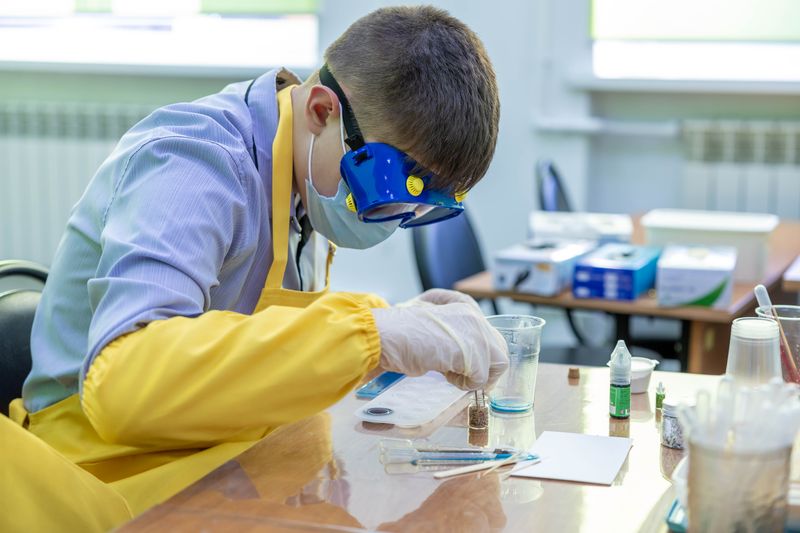
What Counts as Research in High School?
Before the program list: a lot of students skip over real opportunities because they don't think what they're doing counts.
Research is any project where you're investigating a question that doesn't already have a known answer. That includes:
- Running experiments in a biology or chemistry lab
- Analyzing a dataset to find patterns
- Building and testing a machine learning model
- Conducting interviews and building a social science argument
- Writing a literature review and proposing a new hypothesis
Here's what most students don't know: a significant number of ISEF projects in 2025 were completed without any lab access at all. You don't need a university lab to do real research. You need a real question.
Types of Research Opportunities (Quick Overview)
| Type | Cost | Best For | Deadline |
|---|---|---|---|
| University summer programs | Free–$$$ | Structured lab experience | Nov–Feb |
| Structured mentorship fellowships | $–$$$$ | 1:1 guided research, any field | Rolling |
| Research internships | Usually free | Lab experience, clinical settings | Jan–Mar |
| Cold-emailing professors | Free | Self-directed students in any field | Anytime |
| Independent research | Free | Any student with a clear question | Anytime |
| Science competitions | Free | Students with a completed project | Oct–Dec |
1. University Summer Research Programs
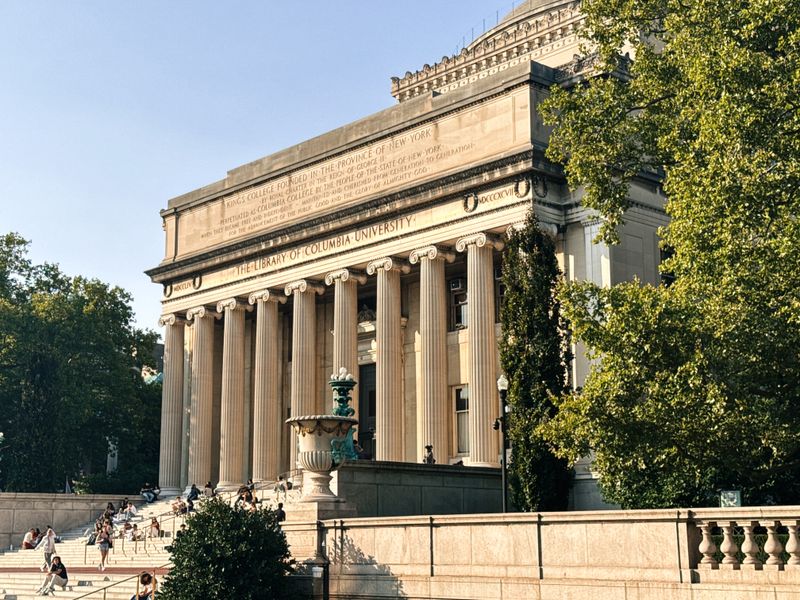
University summer programs are the most competitive and the most structured option. You spend 4–10 weeks in a real research environment, usually alongside PhD students and faculty. Many are free — some pay a stipend.
Applications typically open in November–February for the following summer. If you're applying as a junior, start looking in October.
RSI — Research Science Institute
Format: Residential, MIT campus | Duration: 6 weeks | Cost: Free (fully funded) | Fields: STEM | Grades: Rising seniors
RSI places about 80 students in university and industry labs and has produced more Intel/Regeneron STS finalists than almost any other single program. The acceptance rate is approximately 1%. You will need a near-perfect academic record and significant demonstrated interest in a specific field.
Best for: Students with a clear research question who are ready to execute independently.
Learn about RSI at the Center for Excellence in Education →
Broad Summer Scholars Program
Format: In-person, MIT Broad Institute | Duration: 8 weeks | Cost: Free (stipend provided) | Fields: Biomedical sciences | Grades: Rising seniors
Students work in Broad Institute labs on computational biology, genomics, and disease research. Run by one of the world's leading biomedical research institutions.
Best for: Students serious about biology, genetics, or medicine who want institutional lab access.
Stanford SIMR — Stanford Institutes of Medicine Summer Research Program
Format: In-person, Stanford | Duration: 8 weeks | Cost: Free | Fields: Biomedical | Grades: Rising juniors and seniors
Medical research opportunities for high school students don't get more credentialed than this. Students are placed in Stanford medical school labs under faculty mentorship.
Best for: Students interested in medicine or life sciences who want a Stanford affiliation on their research.
Simons Summer Research Program
Format: In-person, Stony Brook University | Duration: 7 weeks | Cost: Free | Fields: STEM | Grades: Rising seniors
Students work one-on-one with Stony Brook faculty researchers in fields from astronomy to neuroscience. Known for producing competitive science fair and publication outcomes.
Best for: Students who want a real mentorship relationship with a working researcher.
SSP — Summer Science Program
Format: Residential, multiple campuses | Duration: 6 weeks | Cost: ~$8,000 (aid available) | Fields: Astrophysics, biochemistry | Grades: Rising juniors/seniors
SSP participants work in small teams to complete an original research project — for astrophysics students, that's computing an asteroid orbit. It's collaborative and intense.
Best for: Students who work well in groups and want a cohort-based experience with a defined outcome.
PRIMES — Program for Research In Mathematics, Engineering and Science
Format: Remote + occasional in-person (MIT) | Duration: Year-long | Cost: Free | Fields: Math, CS, biology | Grades: 10th and 11th grade
PRIMES is a year-long program where students work on original research with MIT researchers. The math track (PRIMES-USA) is completely remote and open nationally.
Best for: Students who want sustained engagement over a full year rather than a compressed summer.
2. Structured Mentorship Fellowships

Mentorship fellowships pair you with an expert — usually a PhD or advanced researcher — to develop an original project over a set period. Unlike summer programs, these aren't about putting you in an existing lab. They're about building something new under guided supervision.
The best ones are 1:1, not cohort-based. That distinction matters: generic advice gets you generic results.
Aspire Research Fellowship
Format: Online, 1:1 | Duration: 12 weeks | Cost: $2,997 (as low as $749/mo; financial aid available) | Fields: All fields | Grades: 8–11 | Acceptance rate: ~10%
Founded by ISEF champions and PhDs, the Aspire Fellowship matches students with a PhD mentor in their exact field through a two-week matching process — before you commit. You know who you're working with before you pay.
What makes it different is the dual-layer mentorship: a PhD for domain expertise, plus access to an ISEF champion network for competition-specific strategy. PhDs know science; recent ISEF finalists know what's winning science fairs right now.
The program runs 12 weeks (most competitors run 10), uses a gate-check system at weeks 2, 8, and 12 to keep your research on track, and ends with a complete research paper or poster presentation you can submit to competitions or journals. Trusted by 20,000+ students worldwide.
"With the fellowship, I have been able to submit three abstracts from my previous and current research work and my dream of having my work published online has been fulfilled." — Noelani Castellon, Grade 12, Spring Cohort
"The administrators will do anything and everything to get you set up with the perfect mentor for your interest of research." — Young Lim, Grade 9, Spring Cohort
Best for: Students who want structured 1:1 mentorship in any field with a concrete deliverable at the end.
See the full breakdown of what the program includes on the Aspire Research Fellowship page.
Apply to the Aspire Research Fellowship →
Polygence
Format: Online, 1:1 | Duration: Flexible | Cost: ~$2,000–$4,000 | Fields: Most fields | Grades: 9–12
Polygence matches students with PhD and graduate-level mentors for independent research projects. More flexible in structure than Aspire, with options to publish in curated undergraduate journals.
Best for: Students who want flexibility on timeline and topic.
Lumiere Education
Format: Online, 1:1 | Duration: 12 weeks | Cost: ~$2,500–$3,900 | Fields: Most fields | Grades: 9–12
Similar model to Polygence. Students work with PhD students and postdocs on a research project, with a final paper as the deliverable.
Best for: Students interested in social sciences and humanities as much as STEM.
3. Research Internships for High School Students
Research internships place you inside an existing research environment — usually a university lab, hospital, or nonprofit — where you assist with real ongoing work.
These are harder to find than programs but more prestigious when you land them, because the competition is you vs. other applicants, not you vs. other program applicants.
NIH High School Summer Internship Program
Format: In-person, Bethesda MD | Duration: 8 weeks | Cost: Free (paid, ~$14/hr) | Fields: Biomedical sciences | Grades: 9–11
The NIH runs one of the most respected research internships for high school students in the country. You work in a real federal research lab on active studies. Applications open in November, deadline typically January.
Best for: Students serious about medicine or biological sciences, especially those near the DC area or willing to relocate.
NIH High School Summer Internship Program (official site) →
Bronx Zoo Summer Internship
Format: In-person, New York | Duration: Summer | Cost: Free ($750 stipend) | Fields: Wildlife biology, conservation | Grades: High school students
Students work as research assistants on fieldwork at the Bronx Zoo. One of the few programs that pays a stipend and places students in genuine field research.
Best for: Students interested in ecology, wildlife biology, or conservation.
University Lab Internships (Cold Email)
This one isn't a named program. It's the most underused research opportunity that exists.
Many university professors take on motivated high school students as informal research interns during the school year or summer — for free. The process:
- Find a professor whose work genuinely interests you (university faculty pages are public)
- Read one of their recent papers on Google Scholar (free)
- Send a cold email — short, specific, and referencing their actual research
Most students don't do this because they assume they'll be rejected. The ones who do send the email are regularly surprised. We cover the exact cold email framework in a separate post on research resources.
Best for: Self-directed students in any field, anywhere in the country.
4. Independent Research and Science Competitions

You don't need a program to do research. If you have a question you can't stop thinking about, you have everything you need to start.
Independent research works especially well for computational fields (ML, data analysis, CS), social sciences (surveys, interviews, policy analysis), environmental science (fieldwork, datasets), and mathematics. You don't need lab equipment for any of these.
Once you have results, you have options for where to take them.
Research Competitions for High School Students
Competitions give your work an audience and a credential. They're also one of the clearest signals to colleges that your research is serious — an admissions officer can read a research paper and evaluate it in a way they can't evaluate a club membership.
Regeneron Science Talent Search (STS) The oldest and most prestigious STEM research competition in the US. Finalists receive up to $250,000 in awards. Deadline: mid-November. Open to US seniors.
Regeneron ISEF — International Science and Engineering Fair The biggest pre-college science competition in the world. To compete, you first win at a regional or state affiliate fair. ISEF covers 22 categories from behavioral science to systems software. Gold medals, grand awards, and Special Awards are available.
Junior Science and Humanities Symposia (JSHS) Run by the US Army, Navy, and Air Force, JSHS hosts regional symposia across the country with $12,000 in scholarships. Less competitive entry point than ISEF or STS.
Siemens Competition / Davidson Fellows Both target exceptional individual research. Davidson Fellows requires extraordinary achievement; Siemens is strong for math and hard sciences.
Best for: Students with a completed or near-complete research project who want a credential and potential scholarship money.
5. Free Research Programs for High School Students
Cost is a real barrier. Here are the strongest free research programs for high school students — no tuition, no application fee, no hidden cost.
| Program | Field | Duration | Stipend? |
|---|---|---|---|
| RSI | STEM | 6 weeks | Yes (housing + meals) |
| Broad Summer Scholars | Biomedical | 8 weeks | Yes |
| Stanford SIMR | Biomedical | 8 weeks | No |
| NIH High School Internship | Biomedical | 8 weeks | Yes (~$14/hr) |
| PRIMES (MIT) | Math, CS, Bio | Year-long | No |
| JSHS | STEM | Regional competitions | Scholarship prizes |
| Bronx Zoo Internship | Wildlife | Summer | Yes ($750) |
| Cold email / independent | Any | Flexible | Varies |
Aspire also offers financial aid to students who demonstrate strong potential on their application — if cost is the barrier, apply and say so.
6. How to Choose the Right Research Program
Not every program is right for every student. Here's how to think about it.
What's your grade? Students in 8th–10th grade have more options than seniors. Aspire targets grades 8–11; most summer programs target rising juniors and seniors. The earlier you start, the more you can stack — a project in 10th grade gives you something to build on before senior applications.
Do you have a specific field in mind? If yes, look for programs with mentors in that exact field. If not, a structured program that lets you explore is better than an intensive one that assumes you already know.
Do you want to compete, publish, or build a portfolio? These require different paths. Science fair (ISEF, JSHS) requires specific project structures. Publication requires academic writing and peer review. A portfolio just needs completed work. Know your goal before you apply.
What's your tolerance for structure vs. independence? Some students thrive with a weekly meeting, deadlines, and a mentor checking their progress. Others do better with full autonomy. Neither is better — mismatching your working style to a program's structure is how you end up with an incomplete project.
Can you get in? RSI has a ~1% acceptance rate. PRIMES is similarly selective. If you're a sophomore with no prior research, don't bet your entire plan on RSI. Apply, but also pursue the cold-email route in parallel.
7. How to Get Into Research Programs: Application Tips
Every competitive research program is looking for the same three things:
1. Genuine curiosity in a specific direction "I'm interested in biology" is weak. "I want to understand how antibiotic-resistant bacteria evolve in low-resource environments" is a research question. Know the difference before you apply.
2. Evidence that you can work independently Programs don't want to babysit you. They want students who can figure out what they don't know, identify where they're stuck, and ask a specific question to get unstuck. Show that you've done this before.
3. A realistic sense of what the program can actually give you The programs that select well are looking for students who understand the work involved. Read about what previous participants actually did. Reference something specific in your application.
On your application: - Be specific about your research interest (not just a subject area) - Describe something you've already done — a class project, a paper you read and found a gap in, a question you can't stop thinking about - Don't overstate your experience; programs work with students at all levels - Apply to multiple programs; selective programs have low acceptance rates for reasons unrelated to your quality as a student
If you're still figuring out where to start, the graduate application tips post covers how to frame research experience in the context of selective applications.
Frequently Asked Questions
Can a high school student do real research? Yes. A significant number of ISEF 2025 finalists conducted their research without any university affiliation or lab access. Real research means forming an original question and pursuing an answer using a defined method — that's available to any student with curiosity and a mentor.
What is the best research program for high school students? It depends on your field, grade, and goals. For structured 1:1 mentorship in any field, the Aspire Research Fellowship is one of the most comprehensive options. For free residential STEM programs, RSI and Stanford SIMR are the gold standard. For students who want to work independently, cold-emailing a professor is often more accessible than it sounds.
Are there free research programs for high school students? Yes. RSI, Stanford SIMR, Broad Summer Scholars, MIT PRIMES, NIH's summer internship, JSHS, and the Bronx Zoo internship are all free — several pay a stipend. Cold-emailing professors for informal internships is also free.
What grade should you start research in high school? As early as possible — ideally 8th, 9th, or 10th grade. Students who start earlier have time to complete a second project before senior year, which significantly strengthens college applications. Most programs target grades 8–11.
How do high school students get research experience without a program? Cold-email a professor whose work interests you. Read one of their papers, reference it specifically, and ask if they take high school research interns. This works more often than students expect. Alternatively, design and execute an independent project — computational, social science, and environmental research all work well without lab equipment.
Do research programs help with college applications? Yes, meaningfully. A completed research paper or competition result is a concrete artifact that admissions officers can evaluate. It signals intellectual maturity in a way test scores and club memberships can't. The key is that the student has to own the work — a project your mentor did for you won't hold up in an interview.
Is paid research experience better than free? Not necessarily. Cost correlates with marketing budget, not quality. Some of the most prestigious programs (RSI, NIH) are free. What matters is whether you produce real work under real mentorship and finish.
The Bottom Line
Research in high school is hard. No one hands it to you, the first question you form will probably be too broad, and most students who start never finish.
The students who do finish share one thing: they had a mentor who knew what good research looked like and held them to it, and they didn't wait until senior year to find one.
Whatever path you take — summer program, fellowship, internship, or cold email — the goal is the same: a complete project with your name on it that you can explain, defend, and build on.
If you're ready to start, the Aspire Research Fellowship is open to students in grades 8–11. The acceptance rate is ~10%, so applications are competitive — but the program is designed specifically for students who are serious and ready to do the work themselves.