The Broad Summer Research Program is one of the most searched high school research opportunities in the country — and for good reason. It's free, it's at one of the top biomedical research institutions in the world, and the work is real. It's also extremely competitive. This guide explains what the program actually involves, what reviewers look for in applicants, and what your path looks like whether you get in or you don't.
What Is the Broad Summer Research Program?
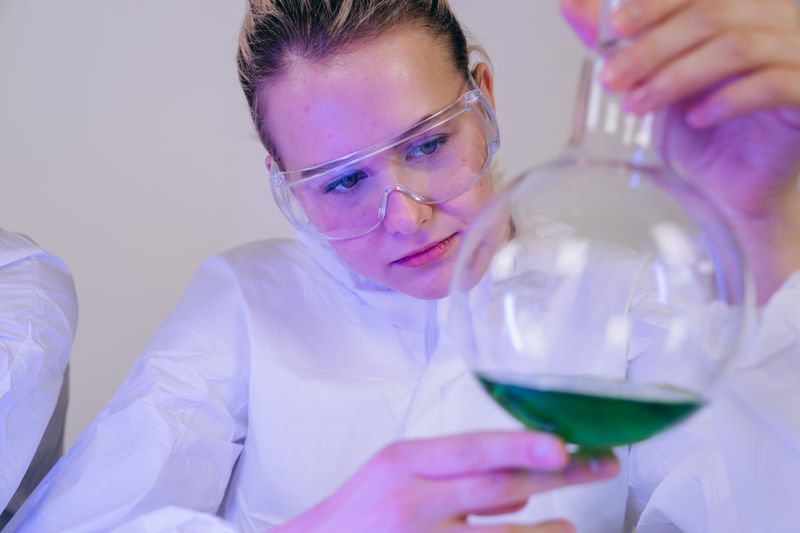
The Broad Institute of MIT and Harvard is based in Cambridge, MA, and is one of the leading genomics and biomedical research institutions in the world. The Broad has been behind foundational advances in CRISPR gene editing, cancer genomics, and psychiatric genetics research. When high school students work there, they're inside an institution where active scientific discovery is happening every day.
The Broad's high school summer research program gives serious young scientists hands-on access to that environment. Students are placed with a researcher or lab, work on an active project, attend scientific seminars, and present their work at the end of the program. This is not a workshop or an observation experience — it is actual research.
Here's how it compares to other top high school summer research programs:
| Program | Institution | Focus | Cost | Length |
|---|---|---|---|---|
| Broad Summer Research Program | Broad Institute (MIT/Harvard) | Genomics, computational biology, biomedical | Free | ~8 weeks |
| Research Science Institute (RSI) | MIT / CEF | All STEM fields | Free + stipend | 6 weeks |
| NIH Summer Internship Program | NIH, Bethesda MD | Biomedical, clinical research | Free + stipend | 8–10 weeks |
| Simons Research Fellowship | Various universities | Math, CS, life sciences | Free + stipend | 7 weeks |
| Partners for the Future | Cold Spring Harbor Lab | Biology, genetics | Free | 1 year (part-time) |
The Broad's specific strength is its concentration on genomics and computational biology. If that's your field, this is one of the most targeted and credible programs available to high schoolers.
What You Actually Do
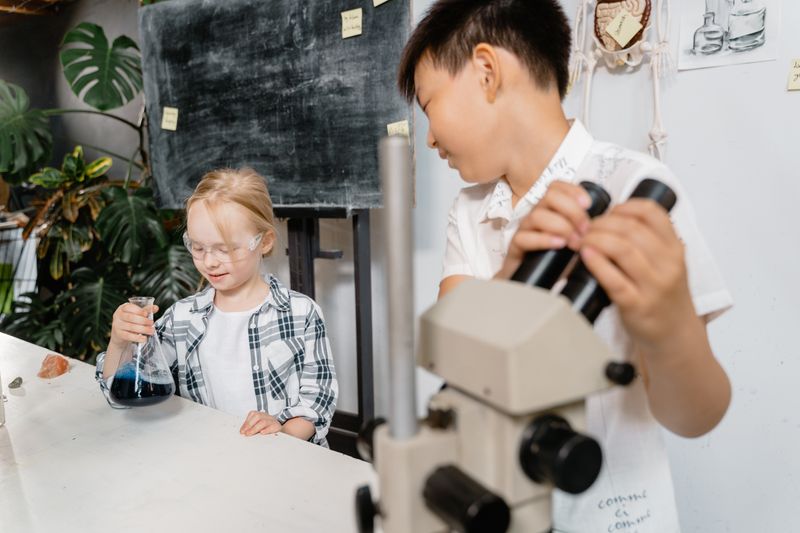
A lot of summer programs promise "research experience" and deliver glorified observation. The Broad is not that.
Students are assigned to active research groups working on real questions. Depending on your background and the lab's current work, you might be running computational analyses on genomic datasets, assisting with wet lab experiments like cell cultures or sequencing prep, reviewing literature and contributing to research documentation, or helping design and test experimental protocols.
You attend weekly scientific talks and seminars by Broad researchers. At the end of the program, you present your work — to actual scientists. That presentation is one of the most valuable parts of the experience, because you have to understand your own work well enough to explain and defend it under questions.
What you leave with is a research story. Not a certificate that says "I attended." A specific project, a specific contribution, a specific set of results — or an honest accounting of what you tried and what you learned when something didn't work. That's the kind of material that holds up in college applications, future program applications, and research conversations.
How Competitive Is It?
Very. The Broad receives far more applications than it has spots, and there's no published acceptance rate. What reviewers are looking for is specific and consistent:
- Relevant coursework. Biology, chemistry, computer science — ideally AP-level or beyond. If you're applying to a computational biology lab and you've never taken CS, that gap will show.
- Genuine, specific interest. "I want to explore the intersection of biology and technology" is not specific enough. "I've been studying CRISPR-Cas9 mechanisms and want to understand how researchers design guide RNAs for therapeutic targets" is. Reviewers can tell the difference between a student who spent 20 minutes on the Broad's website and one who has been following the field for months.
- Some prior research exposure. This doesn't have to be formal. A science fair project you took seriously, an independent study, a school lab where you went beyond the assignment. Anything that shows you can sit with an open-ended problem.
- Strong letters of recommendation. Specifically from people who have seen you work on something hard — not just someone who knows your GPA.
Most rejections happen not because the student was unqualified, but because the application didn't show enough specificity. The research statement is where most people lose it.
How to Build a Strong Application

Research Statement
This is the most important part of your application. It needs to do three things:
- Show specific knowledge. What do you already know about the field? Name papers you've read, experiments that interested you, concepts you've studied on your own. The more specific you are, the more credible you are.
- Name a specific question. Not "genomics" — a question within genomics that you actually want to answer, and why.
- Explain why the Broad specifically. What research happens there that you couldn't get access to elsewhere? Name groups or projects you'd want to work with. This takes actual research on your part, and reviewers will know if you've done it or haven't.
Letters of Recommendation
Choose recommenders who have watched you work on something difficult — a teacher who saw you struggle through and eventually solve a hard problem is more useful than a counselor who knows your GPA. Ask at least 3–4 weeks before the deadline and give them specifics about what you'd like them to highlight.
Timing
Applications typically open January–March for summer programs. Check the Broad Institute website in December to find the current cycle's dates. Late applications are not accepted. Missing the deadline means reapplying next year.
For a full list of other competitive summer research programs for high school students, the NIH Office of Intramural Training & Education maintains a searchable database of student programs.
What If You Don't Get In?

Most students who apply to programs like the Broad don't get in the first time. That's not a failure — it's the normal outcome for a program this selective.
The students who eventually get into programs like the Broad almost all did the same thing in the year they were rejected: they didn't wait. They started a project. They found a mentor. They built something they could point to.
Aspire's position on this is direct: waiting is a choice. A student who spends the year working on a real research project with a qualified mentor has a fundamentally different application the next cycle — not a marginally better one.
The Aspire Research Fellowship is built for exactly this. It's a 12-week, 1:1 mentorship program that matches you with a PhD-level expert in your specific field alongside a recent ISEF champion who knows what rigorous high school research looks like right now. You own the project. You do the work. You end with a paper or presentation that belongs to you.
More than 20,000 students have gone through Aspire. Acceptance is roughly 10% — selective enough to mean something, accessible enough that serious students get in. Students in grades 8–11 are eligible, and the program runs year-round, not just in summer.
Young Lim, a Grade 9 student in Aspire's spring cohort, put it simply: "The administrators will do anything and everything to get you set up with the perfect mentor for your interest of research."
The students who use that year to build something real come back to programs like the Broad with a research story. That's what changes the outcome.
Apply to the Aspire Research Fellowship →
Also read: research opportunities for high school students and our guide to getting started with high school research.
Frequently Asked Questions
What is the Broad Summer Research Program for high school students?
The Broad Summer Research Program is a competitive summer opportunity at the Broad Institute of MIT and Harvard in Cambridge, MA. High school students work alongside professional researchers on real genomics, computational biology, and biomedical science projects. It is selective, hands-on, and free to attend.
Is the Broad Summer Research Program free?
Yes. The Broad Institute's summer programs for students do not charge a tuition fee. You may have travel and housing costs if you live outside the Cambridge, MA area, but the program itself is free.
What GPA do you need for the Broad Summer Research Program?
The Broad does not publish a minimum GPA cutoff. Admissions is holistic — reviewers look at your genuine interest in biology or computational science, prior coursework or projects, teacher recommendations, and what you would do with the experience. A high GPA helps but is not the deciding factor.
When do applications open for the Broad Summer Research Program?
Applications typically open in late winter or early spring (January–March) for summer programs. Check the Broad Institute website directly for the current year's dates — deadlines shift annually. Missing the window means waiting a full year.
What do you actually do in the Broad Summer Research Program?
Students work on active research projects in genomics, bioinformatics, molecular biology, or computational biology. You work with a Broad researcher on a real project, attend scientific seminars, and present your findings at the end of the program.
How competitive is the Broad Summer Research Program?
Very. The Broad receives far more applications than it has spots. Most accepted students have relevant coursework, genuine knowledge of the field, and can articulate a specific research interest — not just a general enthusiasm for science.
What other summer research programs exist for high school students?
Strong alternatives include the NIH Summer Internship Program, MIT's Research Science Institute (RSI), the Simons Research Fellowship, Cold Spring Harbor Lab's Partners for the Future, and programs at Johns Hopkins, Stanford, and Carnegie Mellon.
What should I do if I don't get into the Broad Summer Research Program?
Apply to other programs in the same cycle, and use the year to build your research record. Start a self-directed project, cold-email professors, or apply to a structured mentorship program like the Aspire Research Fellowship. Students who keep working in the year they're rejected almost always come back with a stronger application.
The Bottom Line
The Broad Summer Research Program is one of the most respected high school summer research programs in the country. If genomics or biomedical science is your field, it's worth applying for — with a specific, well-researched application, not a generic one. But it's also selective enough that most students won't get in the first time, and that's not the end of the story.
The students who eventually get into programs like the Broad are the ones who built something in the meantime. They didn't wait. They found a mentor, started a project, and showed up the next cycle with a research record instead of just an intention. That's the move.
Apply to the Aspire Research Fellowship →
Want the full picture of what's available? Read our guide to research opportunities for high school students.