Brown pre-college program searches usually run into the same wall: course catalogs and testimonials everywhere, but no straight answer on what a summer at Brown actually costs, who can go, and whether it's worth the price next to other options. This guide covers Summer@Brown's real 2026 costs by format, who's eligible, what the application actually requires, and how to think about whether it earns its price tag.
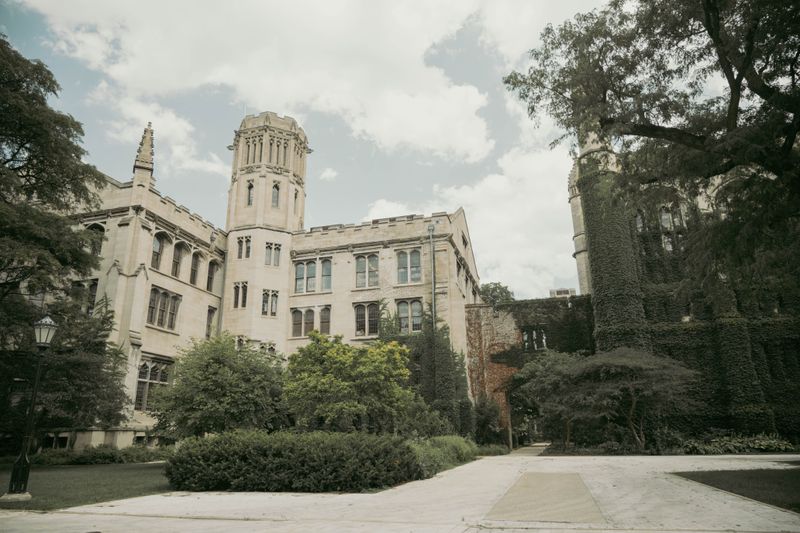
What Is the Brown Pre-College Program?
"Brown pre-college program" mostly refers to Summer@Brown, a set of more than 230 non-credit courses open to high school students during the summer, reflecting Brown's Open Curriculum approach. A separate, smaller track called the Pre-Baccalaureate Program serves rising and recently graduated seniors specifically and does offer real Brown course credit, which is the main structural difference between the two. If you're weighing this against other named pre-college options, see our guide to Cornell's winter pre-college program for a lower-commitment, online-only comparison point.
| Program | Credit | Who It's For | Format |
|---|---|---|---|
| Summer@Brown | Non-credit | Rising sophomores, juniors, seniors (ages 14-18) | On-campus (residential/commuter) or online |
| Pre-Baccalaureate | Real Brown credit | Rising and recently graduated seniors | On-campus |
Both tracks run through Brown's Pre-College Programs office, but they're built for different goals: Summer@Brown is exploratory, letting a student sample a subject before committing to it in college, while Pre-Baccalaureate functions closer to an actual college course with a transcript to show for it.
Summer@Brown Course Options and Format

Courses run in sessions of 1 to 6 weeks depending on the subject, with 2026 sessions spanning June 21 to July 24. Course lengths and start dates vary, so students building a summer schedule around other commitments need to check the specific course catalog rather than assuming one universal calendar.
Online sections run asynchronous, mostly asynchronous, or blended, with an expected workload around 2-3 hours a day, roughly 15 hours a week. On-campus students choose between residential housing and commuting, which changes both the cost and the day-to-day experience significantly.
Who Can Apply: Eligibility Requirements
Summer@Brown is open to rising sophomores, juniors, and seniors, generally ages 14-18. Rising freshmen aren't part of the standard eligible pool, with one specific exception: students who complete Brown's STEM 9/10 course can move directly into a standard Summer@Brown course afterward, which creates a real (if narrow) path for some rising 10th graders.
International applicants need to demonstrate English proficiency through a Duolingo English Test or TOEFL score. Every applicant submits grades from both the current and prior academic year as part of the review.
Brown Pre-College Program Cost and Financial Aid

Cost depends entirely on format and length. For 2026:
| Format | Length | Residential | Commuter |
|---|---|---|---|
| On-campus | 1 week | $3,748 | $3,096 |
| On-campus | 2 weeks | $5,786 | $4,482 |
| On-campus | 3 weeks | $8,372 | $6,416 |
| On-campus | 5 weeks (hybrid) | $10,858 | $8,902 |
| Format | Length | Cost |
|---|---|---|
| Online | 2 weeks | $3,364 |
| Online | 3 weeks | $4,656 |
| Online | 4 weeks | $5,554 |
| Online | 6 weeks | $6,520 |
Some courses carry additional materials or supplemental fees listed directly in the course catalog, and Brown's own costs and aid page is the source to check before enrolling since dates and prices shift year to year. Brown offers scholarships for admitted students, though award amounts and eligibility are determined through Brown's own process rather than published as a flat, guaranteed discount, so budget around the sticker price unless and until an award comes through.
How to Apply to Summer@Brown

- Review the course catalog first. Course availability, prerequisites, and specific age or grade requirements vary, so pick a course before assuming you're eligible for the program broadly.
- Gather grades from the current and prior academic year. Both are required as part of a complete application.
- Write the application essay. Brown asks for an essay that shows intellectual curiosity, social maturity, and self-motivation, not a list of achievements.
- Submit English proficiency scores if you're an international applicant. Duolingo or TOEFL results are required.
- Submit before the non-refundable deposit deadline. Decisions are typically returned within 15 business days of a complete application.
On-Campus vs. Online: Which Format Is Right for You

On-campus residential is the closest thing to a real college trial run: living in a dorm, eating on campus, and experiencing the rhythm of college life alongside coursework. It's also the most expensive option by a wide margin. Commuter cuts a meaningful chunk off the price for a local student who doesn't need housing.
Online is the most accessible option by cost and doesn't require travel, but it trades away the residential-life experience entirely. If the goal is testing whether college life away from home actually suits a student, only the residential track answers that question. If the goal is purely academic (testing interest in a subject, building a transcript-adjacent experience), online delivers most of the same content for less.
Is Brown Pre-College Worth It?
At $5,000-$10,000+ for a multi-week on-campus track, Summer@Brown sits squarely in a price range Aspire has a clear position on: premium programs in that bracket often deliver less than the sticker price suggests, especially when the deliverable is exposure rather than a finished, defensible outcome. That's not a knock on Summer@Brown specifically, since it's honest about what it is: a non-credit academic sampler and a taste of campus life, not a credential-producing program. The real question is what you're optimizing for.
If the goal is a concrete result, a research paper, a publication, a project you can talk through in an interview, a pre-college course isn't built to produce that, credit or not. The Aspire Research Fellowship is built specifically for that outcome: 12 weeks, one-on-one with a mentor, ending in a finished project with the student's name on it. It's also roughly a third of the cost of a residential Summer@Brown track. Apply to the Aspire Research Fellowship →
If the goal is exposure to college life and a specific subject before committing to it, Summer@Brown does what it says. Just go in clear-eyed about which one you're paying for. For a broader look at what's out there, research programs for high school students rounds up other options across price points.
Frequently Asked Questions
What grades can attend the Brown pre-college program? Summer@Brown is open to rising sophomores, juniors, and seniors, generally ages 14-18. There's one exception: students who complete Brown's STEM 9/10 course can enroll in a standard Summer@Brown course immediately afterward, which opens a path for some rising 10th graders.
How much does the Brown pre-college program cost? For 2026, on-campus residential courses range from $3,748 for one week to $10,858 for the five-week hybrid track, with lower commuter rates. Online courses range from $3,364 for two weeks to $6,520 for six weeks. Costs vary by course length and format, and additional course materials fees may apply.
Does Summer@Brown give you college credit? No. Summer@Brown's standard courses are explicitly non-credit. The exception is Brown's Pre-Baccalaureate Program, a separate track for rising and recently graduated high school seniors, which does offer real Brown course credit.
What is Brown's pre-college acceptance rate? Brown doesn't publish an official acceptance rate for Summer@Brown. The program describes itself as seeking academically high-achieving students and reviews applications on grades, an essay, and (for international applicants) English proficiency scores, but it isn't as selective as Brown's undergraduate admissions.
Does attending Brown pre-college help you get into Brown as an undergraduate? No, and Brown doesn't claim otherwise. Attending a pre-college program has no bearing on undergraduate admissions decisions. It's a summer academic experience, not an admissions pathway, and no pre-college program at any university functions as a backdoor into that school's undergraduate class.
Can you do Summer@Brown online? Yes. Brown offers online sections in asynchronous, mostly asynchronous, and blended formats, generally running 2-3 hours of coursework a day, about 15 hours a week. Online costs less than the on-campus residential track for a comparable course length.
Is financial aid available for Brown pre-college? Yes. Brown offers scholarship opportunities for admitted students, each with its own eligibility requirements. Specific award amounts and criteria are handled through Brown's own application process rather than published as a flat rate.
The Bottom Line
Summer@Brown is a real, legitimate academic experience with a real price tag, and knowing exactly what that price buys, exposure and a campus trial run rather than a credential, is what actually helps you decide if it's the right summer for your specific goal. If your goal is a research credential you can put your name on and defend in an interview, that's a different kind of program entirely.
Apply to the Aspire Research Fellowship → and see how to start a research project in high school for what that finished project can actually look like.