High school research programs promise the same basic outcome: hands-on research experience, guided by someone who knows the field. What they actually deliver varies enormously, from a free six-week government internship to a $10,000 paid mentorship that ends in a half-finished project. This guide breaks down the real categories of programs, what each one costs, and how to tell a program that will get you a finished piece of research from one that won't.

What Are High School Research Programs?
A high school research program is any structured opportunity where a student conducts original research under some form of guidance, usually over a defined period, ending in a specific outcome: a paper, a poster, a presentation, or in weaker programs, just a certificate.
The category is broad enough to be almost meaningless without breaking it down. Here's the real landscape:
| Type | Structure | Typical Cost | Length |
|---|---|---|---|
| Government-run internships | Placed at a federal agency or lab, competitive admission | Free | 6–10 weeks |
| University summer programs | Cohort-based, on-campus or virtual, faculty-led | Free to $2,000+ | 4–8 weeks |
| Paid 1:1 mentorship programs | Matched with an individual mentor, own project from day one | $2,500–$10,000 | 10–12 weeks |
| DIY / self-directed research | You find your own mentor and build the project yourself | Free | Varies |
Each type solves a different problem. Government and university programs come with institutional credibility built in. Paid mentorship programs offer the most individualized guidance and the most control over your specific topic. DIY research costs nothing but takes the most initiative and the longest timeline.
Government-Run Research Programs

The NIH Office of Intramural Training and Education runs some of the most well-known federal research programs open to high schoolers. These place students inside real labs, working alongside professional researchers. Admission is competitive, and the credibility of the placement is real: you're working inside an actual federal research institution, not a simulation of one.
The NSF funds research programs at universities that sometimes extend spots to advanced high school students, though most NSF-funded programs like REU are built for undergraduates.
The tradeoff with government programs: they're free and prestigious, but you're usually assisting on someone else's research question rather than owning your own project from the start. If your goal is a finished paper with your name on the core research question, this matters.
University Summer Research Programs
University-run summer research programs range from highly selective residential programs to more accessible virtual options. Some are cohort-based, where you attend lectures alongside other students and contribute to a shared or individual project under faculty supervision.
Cost varies enormously. Some are fully funded with stipends. Others charge tuition comparable to a summer camp, sometimes over $2,000 once you add housing. Before applying, check exactly what you leave with: a completed independent project, a shared lab report, or just a certificate of attendance. The name on the building matters less than the answer to that question.
Paid 1:1 Mentorship Programs
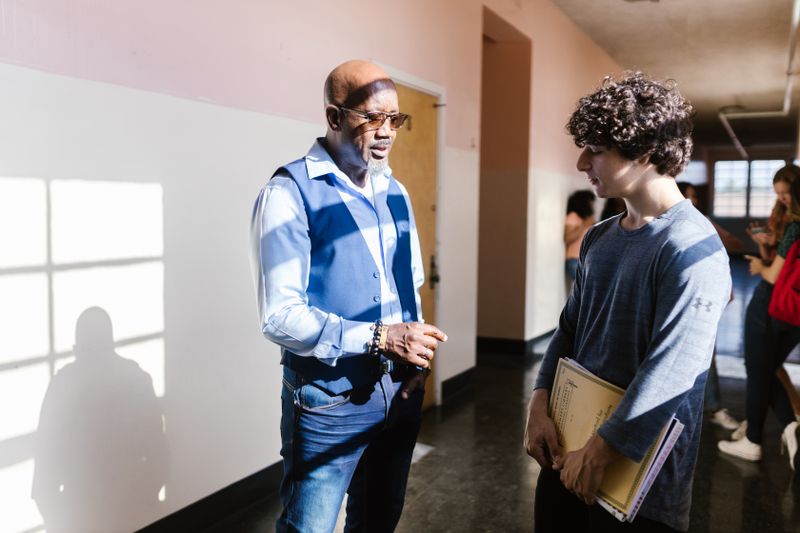
This is the fastest-growing category, and also the one with the widest quality range. Most premium paid programs run around 10 weeks, cohort-based, and end in rushed or incomplete research. Generic advice gets you generic results, and a program that assigns a generalist mentor after you've already paid is a program that hasn't thought about your specific research question at all.
The programs worth paying for share three traits: they match you with a mentor in your specific field, they show you who that mentor is before you commit any money, and they end in a deliverable you actually own, not a certificate.
Cost ranges from $2,500 up to $10,000 for the more prestigious names. Price alone tells you almost nothing about quality. A $10,000 program that matches you with a generalist after payment is worse than a $3,000 program that matches you with a field-specific expert in advance.
Research Internships vs. Research Programs
Research internships for high school students typically place you inside an existing lab or team, where you support ongoing work under a researcher's direction. You might run experiments, clean data, or assist with literature reviews, but the research question usually isn't yours.
A structured research program is different. From week one, the project is yours. Your mentor guides direction, but you form the question, design the methodology, and own the results. If your goal is a finished, original piece of research with your name attached as the lead, a program built around individual ownership will get you there faster than an internship built around supporting someone else's work.
Free and Low-Cost Options

Free research programs for high school students exist, mostly through government agencies and some university outreach initiatives. The tradeoff is competition and structure. Free programs tend to be the most selective, and many are built for undergraduates rather than high schoolers specifically, so read eligibility requirements carefully before applying.
DIY research costs nothing beyond your own time. You identify a professor whose published work interests you, cold-email them directly, and build a mentorship relationship yourself. It's a legitimate path. It's also slow. You might send fifteen emails and hear back from two people, and of those two, only one might be willing to guide a high schooler remotely.
How to Choose the Right Program
Don't start by ranking programs on prestige. Start by asking these four questions:
1. Do you know who your mentor is before you commit?
Programs that assign a mentor after payment give you no way to evaluate fit. A mentor who studies marine biology isn't useful if your interest is computational linguistics. The best programs show you your mentor's background before you pay anything.
2. Is there a real curriculum, or just access?
"Meet with a mentor whenever" is not a curriculum. You want defined stages: question formation, literature review, methodology, data collection, write-up, with checkpoints where someone reviews your progress and tells you if it's ready to move forward.
3. What's the actual deliverable?
The answer needs to be a specific document, not a certificate. A finished research paper or poster that you can submit to a competition, a journal, or a college application.
4. Does the acceptance rate mean anything?
A program that accepts every applicant isn't evaluating fit for anyone. Selectivity, when it's genuine, tells you the other students (and the mentors) are serious about finishing.
How the Aspire Research Fellowship Fits In
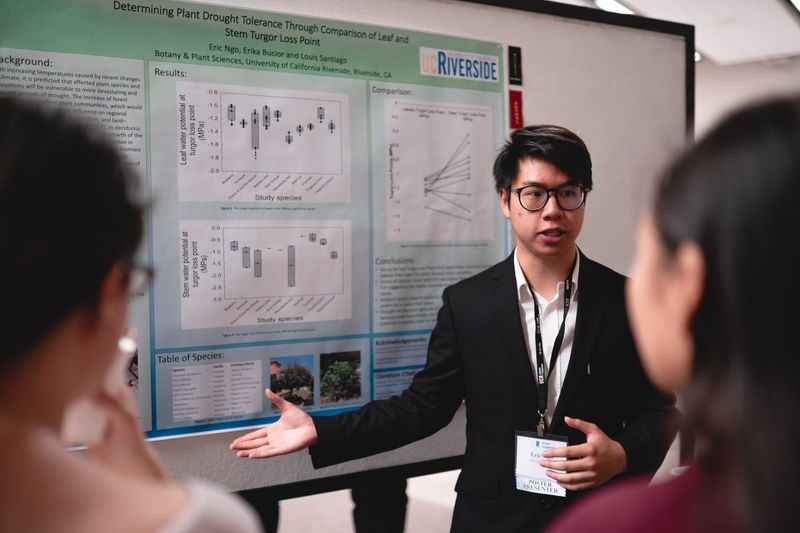
The Aspire Research Fellowship is a 12-week, fully 1:1 mentorship program built specifically to answer the four questions above. Over 20,000 students have gone through the program, with an acceptance rate of roughly 10%.
Every student is paired with two mentors: a PhD-level expert in their specific field, and a recent ISEF champion who placed 1st, 2nd, or 3rd at international ISEF within the last one to two years. A PhD alone knows the science. They don't always know what's winning ISEF this year. Pairing domain expertise with current competition strategy closes that gap.
Matching happens two weeks before the program starts, so you know exactly who you're working with before you commit. The program runs three gate checks (weeks 2, 8, and final), where your work is reviewed and either approved to move forward or sent back for revision. You don't pass a gate by attending. You pass by finishing the work.
At $2,997 (as low as $749 a month), the program costs less than most comparable paid mentorships, which typically run $5,000 to $10,000 for a shorter, less individualized structure. Students in grades 8 through 11 are eligible, and the program runs year-round.
"With the fellowship, I have been able to submit three abstracts from my previous and current research work and my dream of having my work published online has been fulfilled." — Noelani Castellon, Grade 12, Spring Cohort
Apply to the Aspire Research Fellowship →
Also read our guide to research opportunities for high school students and how to start a research project on your own.
Frequently Asked Questions
What are the best high school research programs?
The best programs match you with a mentor in your specific field, give you a structured curriculum with checkpoints, and end in a real deliverable like a research paper or poster. Program prestige matters less than these three factors. The Aspire Research Fellowship, government programs like NIH's high school internships, and select university summer programs all meet this bar in different ways.
Are high school research programs worth it?
Yes, if the program ends in a finished piece of research you own. A completed project you can submit to a competition, a journal, or a college application gives you something concrete to show. A program that ends in a certificate but no finished work is not worth the time or money, regardless of how prestigious the name attached to it is.
How much do high school research programs cost?
It ranges widely. Government-run programs are typically free. University summer programs range from free to $2,000 or more depending on whether they include housing. Paid 1:1 mentorship programs run $2,500 to $10,000, with the Aspire Research Fellowship priced at $2,997 (as low as $749 a month) against a competitor range of $5,000 to $10,000 for similar structure.
What grade should I start a research program?
Grades 8 through 11. Students who start in 9th grade finish their first project with a full academic year still ahead of them, which means they can do a second, stronger project before senior year using what they learned. Waiting until 12th grade is a common and expensive mistake because there's no runway left to build on the experience.
Do you need a lab to join a research program?
No. A significant number of ISEF 2025 projects were completed without any lab access. Computational research, data analysis, social science studies, and literature-based projects require only a computer and an internet connection. Lab access only matters if your specific research question requires physical equipment.
What's the difference between a research program and a research internship?
An internship usually places you inside an existing lab or team, doing supporting work under a researcher's direction. A structured research program gives you your own project from the start, with a mentor guiding you rather than assigning you tasks. Programs are better if your goal is to own a finished, original piece of research with your name on it.
Can a research program help with college applications?
A completed research project can. Admissions officers can read a finished paper, ask about your methodology, and evaluate your results in a way they can't evaluate a club membership or a test score. The research program itself isn't the credential. The finished, owned work is.
How selective are high school research programs?
It depends on the program. Government programs like NIH's are highly competitive. University programs vary. The Aspire Research Fellowship has an acceptance rate of roughly 10%, which is selective enough that admission itself signals a baseline level of commitment to the mentors you'll work with.
The Bottom Line
High school research programs aren't ranked by the prestige of the name attached to them. They're separated by three things: who your mentor actually is, whether there's a real curriculum behind the mentorship, and whether you leave with a finished piece of research you own. Get those three right, and the format, cost, and length become details, not dealbreakers.
If you want a program that's built around all three from the ground up, that's exactly what the Aspire Research Fellowship does.
Apply to the Aspire Research Fellowship →
Want to know where your finished research can go next? See our guide to high school academic research competitions and how to get your work published in a research journal.