Circuit design internships for high school students sound like they require an electrical engineering background most 15 year olds don't have yet, which is exactly why so few students bother looking for one. Most who end up building real circuits never applied to an "internship" at all, they joined a robotics team, walked into a maker space, or started a project on their own kitchen table. This guide covers what actually counts, where to find it, whether you need a background first, and how to start.
What Counts as a Circuit Design Internship for High Schoolers?
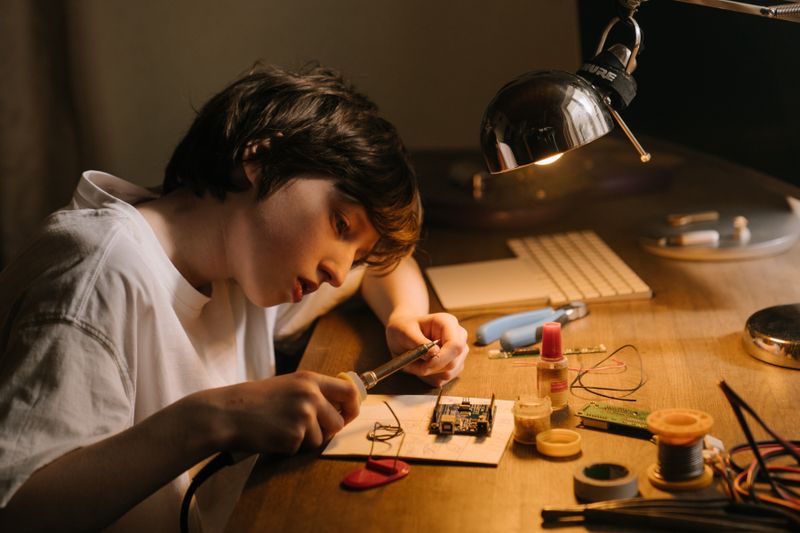
Circuit design programs for high school students cover more ground than the word "internship" suggests, and most of it doesn't come through a formal job posting at all. A robotics team building its own control board, a maker space workshop on soldering, a university EE summer program, and a self-directed ISEF project all count as real circuit design experience.
| Format | What It Involves | Typical Access Point |
|---|---|---|
| Robotics team | Circuit design as one part of a competition build | School club or community team, usually free |
| Maker space workshop | Hands-on soldering and prototyping, often no application | Local maker space or library, open to most |
| University EE program | Structured coursework plus a lab-based project | Application required, sometimes selective |
| Self-directed ISEF project | An independent circuit build tied to a specific research question | No application, self-initiated |
Electrical engineering internships for high schoolers in the traditional corporate sense are rare, since most companies reserve paid EE internships for college students. The four formats above are where high schoolers actually build this skill.
Do You Need an Electrical Engineering Background to Start?
No. Most robotics teams and maker space programs teach circuit basics from the first meeting, assuming zero prior knowledge. A finished physics class or a coding course helps you pick things up faster, but it isn't a requirement anywhere except the more selective university lab programs.
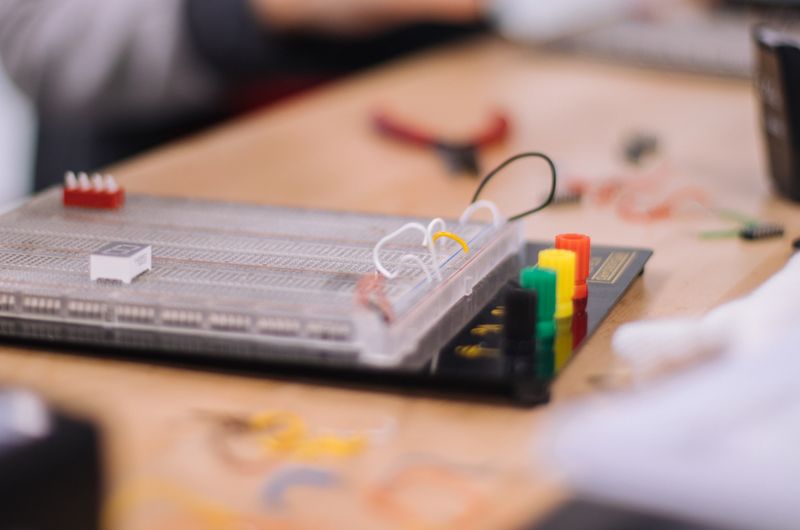
How to start circuit design in high school usually looks like breaking a few breadboards before it looks like anything resembling engineering. That's normal, not a sign you're behind. The students who end up comfortable with circuits are the ones who kept building after the first failed attempt, not the ones who read a textbook first.
Where to Find Circuit Design Programs and Internships
University and Lab-Based Programs
Electrical engineering departments at research universities sometimes run summer programs open to high schoolers, combining coursework with a hands-on lab project. These have real application windows, often months ahead of the summer start date, and can be selective depending on the school. IEEE maintains resources on student programs and pre-college engineering opportunities worth checking directly, since availability shifts year to year and by region.
Robotics Teams and Maker Spaces
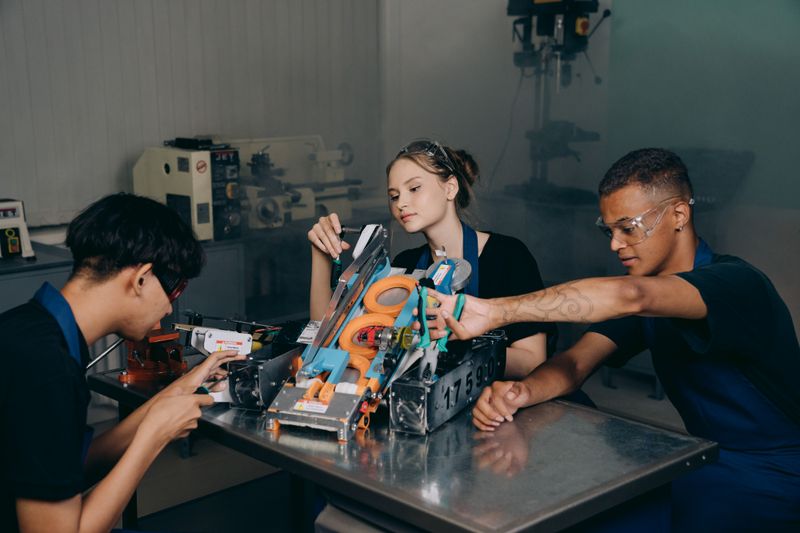
Robotics team circuit design experience is one of the most accessible paths on this list, since teams like FIRST Robotics and VEX exist at thousands of schools and treat circuit work as a standing part of the build season, not a separate application. Local maker spaces, and increasingly public libraries, run open soldering and electronics workshops with no application process at all, just a willingness to show up.
Circuit Design Project Ideas for High Schoolers

Circuit design project ideas for science fair work best when they solve one specific, testable problem instead of chasing an ambitious idea that never gets soldered together. A sensor circuit that detects a real condition, like soil moisture or air quality, gives you a clear pass-or-fail test. An energy-efficient power circuit for a small device gives you a measurable before-and-after. An automation circuit built into a larger robotics project gives you a working demo with a real story behind it.
The Society for Science's ISEF engineering categories reward a working, tested build over a bigger idea with nothing functional behind it. If you're weighing a circuit project against a different technical direction entirely, our guide to a machine learning project for ISEF covers a software-first alternative that draws on a different skill set.
How to Get Started With Circuit Design
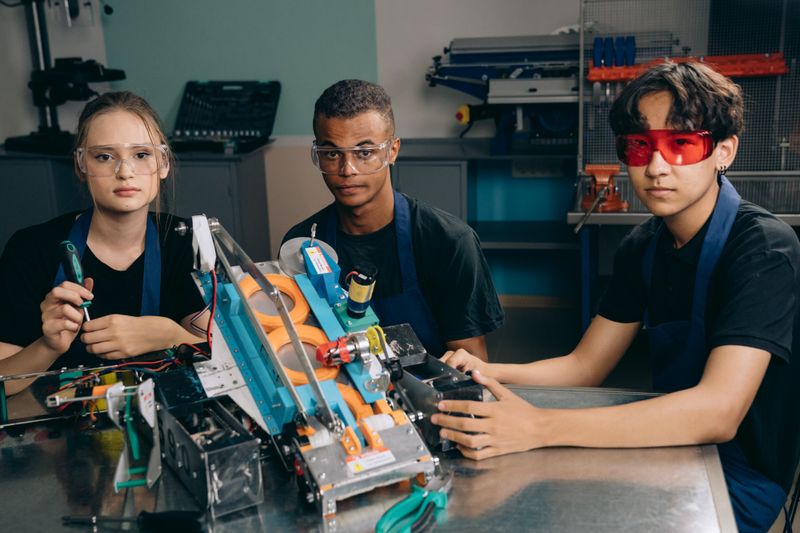
- Join a robotics team if your school has one. It's the fastest way to get hands-on circuit experience without applying to anything.
- Find a local maker space or library workshop. Many run free introductory electronics sessions with no prerequisite.
- Buy a basic starter kit and start on a breadboard at home. A simple LED or sensor circuit teaches the same fundamentals as a formal program, just slower and cheaper.
- Pick one small, specific problem to solve, not a broad topic like "circuits." A single sensor or a single automation task is enough for a first project.
- Apply to a university EE summer program if you want the structured route, but do it months ahead, since application windows close early.
For students building toward a full independent research project rather than a single circuit build, our guide to how to start a research project in high school walks through the broader process.
Common Mistakes Students Make
Waiting for a formal internship posting that doesn't exist. Most circuit design experience at the high school level comes through a robotics team or a self-directed project, not a job listing.
Starting with a project that's too ambitious for a first attempt. A circuit that tries to do five things at once usually ends up doing none of them well. Start narrow.
Assuming you need to finish a physics class first. Most robotics teams and maker spaces teach the basics as you go, so waiting for the "right" prerequisite class just delays starting.
For more on finding technical experience broadly, not just circuit-specific work, our guide to high school STEM internship programs covers the wider field.
Frequently Asked Questions
What is a circuit design internship for a high schooler?
A circuit design internship for a high schooler usually means structured, mentored work building or testing circuits, through a robotics team, a maker space, a university electrical engineering program, or a self-directed ISEF project rather than a formal paid corporate role. Most high schoolers get this experience through one of the first three, not a traditional internship posting.
Do you need an electrical engineering background to start?
No. Most robotics teams and maker space programs teach circuit basics from scratch, and self-directed projects only require the willingness to break a few breadboards while learning. A finished class in physics or a coding course helps, but it isn't a prerequisite anywhere except selective university lab programs.
Where can high school students find circuit design programs?
University electrical engineering departments run summer programs with application windows, robotics teams like FIRST Robotics and VEX build circuit skills as a byproduct of competition, and maker spaces often run open workshops with no application at all. Some students skip all three and build a self-directed circuit project for ISEF instead.
Are circuit design internships for high schoolers paid?
Rarely. Robotics teams and maker space access are usually free or covered by a school activity fee, not paid. University summer programs occasionally pay a small stipend, but most charge tuition instead. A self-directed ISEF project costs whatever the components cost, not a wage either way.
What's a good circuit design project idea for a science fair?
Strong ISEF-eligible circuit projects usually solve a specific, testable problem: a sensor circuit that detects a real condition, an energy-efficient power circuit, or an automation circuit tied to a robotics build. The Regeneron ISEF engineering categories reward a working, tested build over an ambitious idea that never gets soldered.
How is a circuit design internship different from joining a robotics team?
A robotics team is a standing school or community group building toward a competition, with circuit design as one piece of a larger mechanical and software build. An internship or self-directed project is usually narrower, focused specifically on circuit design as the deliverable rather than one part of a bigger machine.
Does a circuit design project help with college applications?
Yes, but the finished circuit and what it does matters more than the word "internship" on an application. A student who can explain a specific design choice, like why they picked one resistor value over another, reads as more credible than one who lists a program name with nothing to say about the work.
How competitive are university circuit design programs for high schoolers?
It varies by school. Well-known university electrical engineering summer programs draw a national applicant pool and can be selective, while robotics teams and maker space workshops are open to nearly anyone willing to show up and learn.
The Bottom Line
Circuit design internships for high school students are less about finding a posted opportunity and more about picking one of four realistic entry points: a robotics team, a maker space, a university program, or a project you start on your own. None of them require an engineering background before you begin, and the students who end up with something real to show for it are the ones who started small and kept building.
If your interest points toward an independent research project rather than a team build, the Aspire Research Fellowship pairs you with a PhD-level mentor and a recent ISEF champion over 12 weeks. Over 20,000 students have gone through the program, with an acceptance rate of roughly 10%, open to grades 8 through 11.
Apply to the Aspire Research Fellowship →
For more on other technical paths worth considering, see our guide to high school STEM internship programs.