High school STEM internship programs get searched as one broad category, but "STEM" covers so much ground that searching it broadly wastes time. This guide breaks the search down by actual field, tech, engineering, environmental science, and data science, then covers how to find a program, whether they're competitive, and what to expect.

What Counts as a STEM Internship for High Schoolers?
STEM internships for high school students cover structured, mentored work across science, technology, engineering, and math fields. A coding project, an environmental fieldwork placement, and an engineering design challenge all qualify, even though they look nothing alike day to day.
Biomedical engineering and medical research sit right next to this list but carry their own considerations around lab access and age restrictions specific to clinical settings. If that's your actual interest, our guides to biomedical engineering research programs and medical internships for high school students go deeper on that path specifically.
| Field | Common Formats | Typical Access Point |
|---|---|---|
| Computer science / tech | Virtual mentorship, coding bootcamps, hackathon-linked internships | Broadly accessible, some selective |
| Engineering (mechanical, aerospace, civil) | University summer programs, shop-based programs | Application required |
| Environmental / energy science | Fieldwork placements, university lab programs | Varies by location |
| Data science / statistics | Virtual projects using public datasets | Broadly accessible |
| Physical sciences (chemistry, physics) | University research programs | Application required, often competitive |
Tech and Computer Science Internships

Tech internships for high school students are some of the most accessible in this whole category, since a coding project doesn't require lab access, special equipment, or being near a university. Virtual mentorship programs, self-directed projects using open-source tools, and organization-run coding programs all fall here.
Data science internships for high schoolers specifically often start with a public dataset and a specific question, no formal internship required to begin. NSF's education resources list funded programs that sometimes extend to high schoolers, worth checking directly since offerings shift year to year.
Engineering and Physical Science Internships
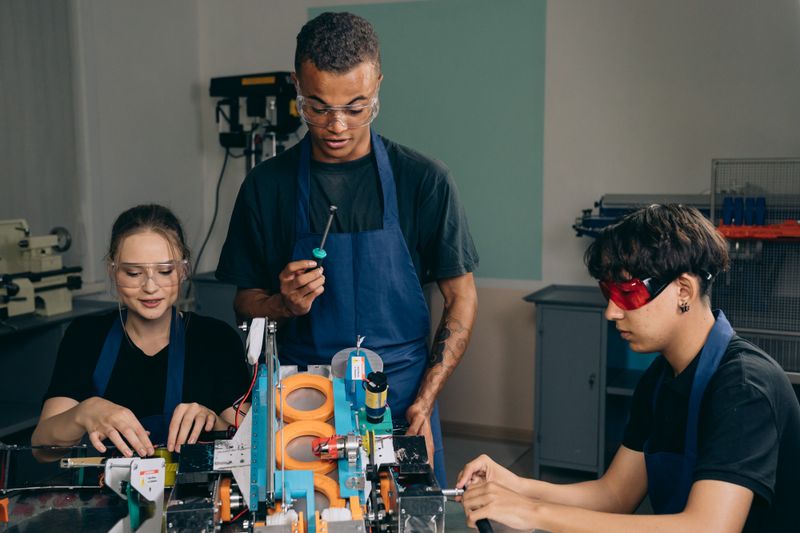
Environmental and Energy Engineering
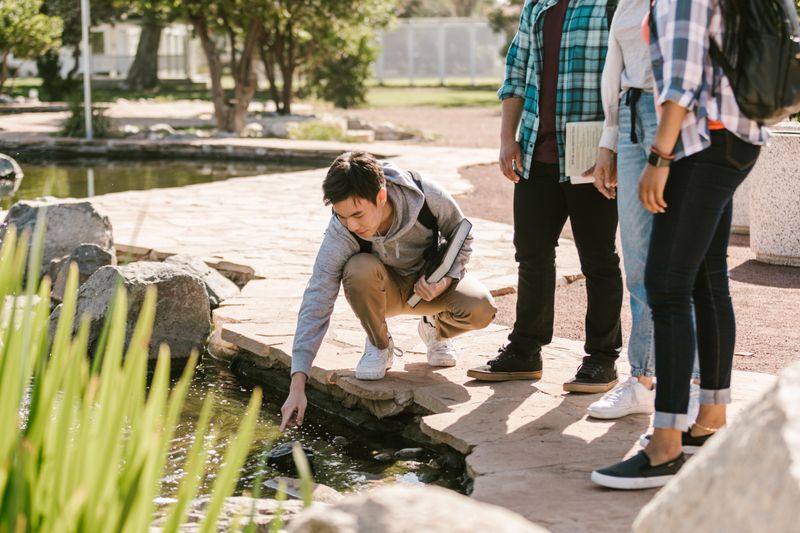
Fieldwork-based programs in environmental science often partner with local universities or conservation organizations, and access depends heavily on where you live. A student near a research university has a shorter list of nearby options than one in a rural area, where a virtual or self-directed project may be the more realistic path.
Mechanical and Aerospace
Engineering internships for high school students in mechanical or aerospace fields tend to run through university summer programs or organization-sponsored internships. NASA's internship programs include options for high school students specifically, and it's one of the more well-known, verifiable entry points into this specific field.
How to Find a STEM Internship in High School
- Name your actual field before you search. "STEM internship" returns too much noise. "Environmental engineering internship high school" returns something usable.
- Check application timing early. Selective programs, especially national labs and university programs, often close applications months before the start date.
- Look at organization-run programs directly, not just aggregator sites, since those often list outdated or expired postings.
- Have a specific project or skill ready to reference, even an unfinished one. It signals you're not starting from zero interest.
- Apply to more than one program. Selective STEM internships reject qualified students regularly.
If you're not finding a fit anywhere and want to build something independently instead, our guide to research opportunities for high school students covers the self-directed path.
Are STEM Internships Hard to Get in High School?
It depends entirely on the format. Virtual, project-based programs in coding and data science tend to accept most students who apply with a genuine, specific interest. In-person programs through national labs or top-tier universities are a different story, sometimes admitting a small fraction of applicants for a handful of summer slots.
Neither extreme is the whole picture. A student who wants a competitive credential should target the selective path deliberately, months ahead of the deadline, with a specific project or question already in mind before applying. A student who mainly wants the experience and mentorship can find a real, accessible option without competing for one of a few dozen slots nationally, and that option is often the faster route to an actual finished project.
Common Mistakes Students Make
Searching "STEM internship" instead of the actual field. The broader the search, the less relevant the results.
Assuming paid programs are automatically better. Some paid stipend programs are also the most selective. An unpaid virtual mentorship might be the faster, more realistic path to real experience.
Waiting for a formal internship instead of starting independently. A significant number of ISEF projects in 2025 were completed without a formal internship or lab access at all. Original research signals initiative in a way a waitlisted application doesn't.
For more on the paid side of this specifically, our guide to paid internships for high school students breaks down what these programs actually pay by field.
Frequently Asked Questions
What counts as a STEM internship for high schoolers?
A STEM internship for a high schooler is structured, mentored work in a science, technology, engineering, or math field, ranging from a coding project to environmental fieldwork to an engineering design challenge. Medical and biomedical-specific programs are their own category with different considerations.
What STEM fields have internship programs for high school students?
Common fields include computer science and software development, mechanical and aerospace engineering, environmental and energy science, data science and statistics, and physical sciences like chemistry and physics. Biomedical engineering and medical research sit adjacent to this list but have their own dedicated considerations around lab access and age restrictions.
How do you find a STEM internship in high school?
Start with your specific interest, not "STEM" broadly, since that word covers too much ground to search effectively. National labs, university programs, and organizations like NASA and NSF post structured programs for high schoolers, usually with application windows months ahead of the start date.
Are STEM internships hard to get in high school?
It varies by field and program. A coding-focused virtual mentorship program is usually more accessible than a selective, in-person national lab internship, which can admit a small fraction of applicants.
Do you need prior experience for a STEM internship?
Rarely. Most programs expect coursework and demonstrated curiosity, not prior internship experience. A specific independent project you've already started counts for more than a resume line about a past internship.
Are high school STEM internships paid?
Some are, particularly government and national lab programs that pay a stipend. Many university-run and virtual mentorship programs are unpaid, treating the mentorship itself as the value.
What's the difference between a STEM internship and a research program?
A STEM internship usually means joining an existing organization's structure, with defined hours and supervision. An independent research program pairs a student with a mentor to develop their own original project, often with more flexibility in topic and timeline.
Does a STEM internship help with college applications?
Yes, but only with specifics attached. A finished project or a specific skill built during the internship matters more to an admissions reader than the internship title alone.
The Bottom Line
High school STEM internship programs are easier to find once you stop searching the category and start searching the field. Tech and data science tend to be the most accessible starting points. Engineering and physical sciences run more through selective university and national lab programs. Whichever path fits, a finished project you can explain beats an internship title you can't say much about.
If you'd rather build an original research project with a dedicated mentor than compete for a handful of internship slots, the Aspire Research Fellowship pairs you with a PhD-level mentor and a recent ISEF champion over 12 weeks. Over 20,000 students have gone through the program, with an acceptance rate of roughly 10%, open to grades 8 through 11.
Apply to the Aspire Research Fellowship →
For more on getting a project started on your own, see our guide to how to start a research project in high school.