Medical internships for high school students get searched constantly by students who assume "internship" means scrubbing in on surgery, then get discouraged when they realize minors can't do hands-on patient care. The real landscape is broader and more accessible than that assumption suggests. This guide covers what actually counts as a medical internship at the high school level, where real programs exist, age requirements, and how to put together an application that gets noticed.
What Counts as a Medical Internship for High Schoolers?
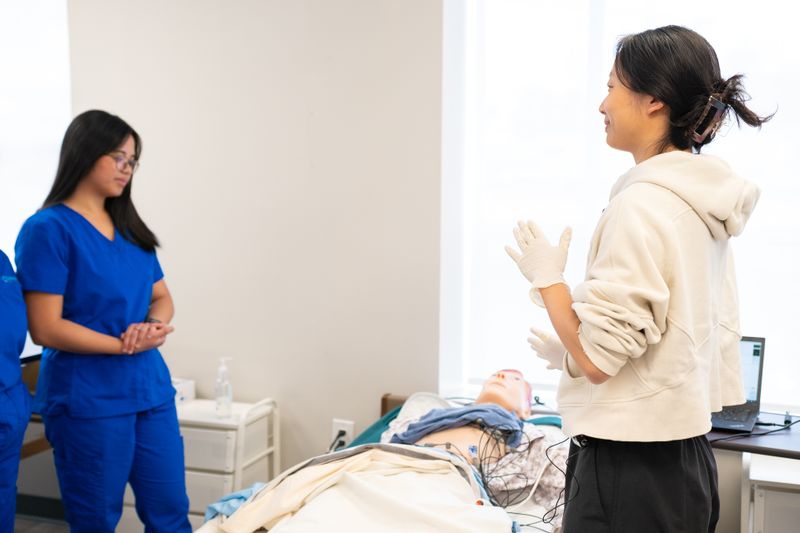
Medical internship programs for high schoolers span a wider range than most students expect. Since minors generally can't provide direct patient care, most programs center on observation, simulation-based training, or supporting medical research rather than clinical hands-on work.
That's not a lesser version of the real thing. It's the version built around what's actually legal and safe for a 15 or 16 year old, and it still gives you real exposure to how medicine works.
| Program Type | What It Involves | Hands-On Level |
|---|---|---|
| Hospital shadowing | Observing a professional during rounds or a shift | Observation only |
| Hospital volunteer programs | Non-clinical support roles (front desk, patient transport, gift shop) | Low, non-medical tasks |
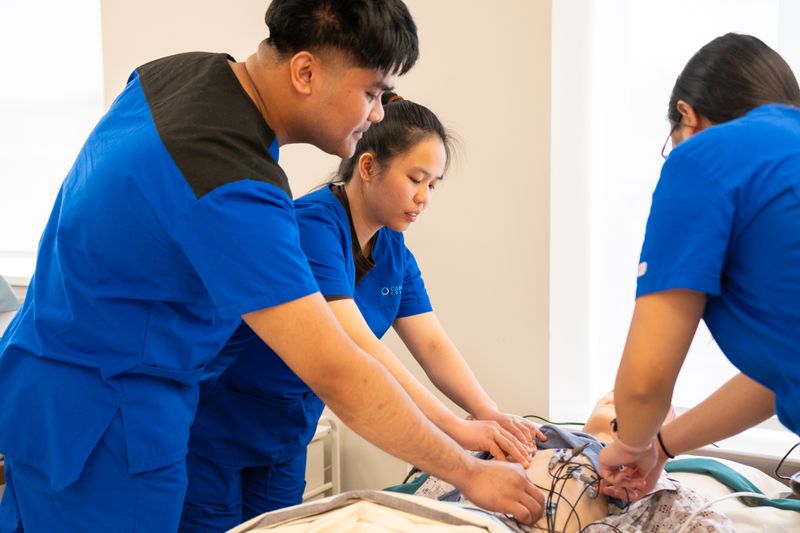
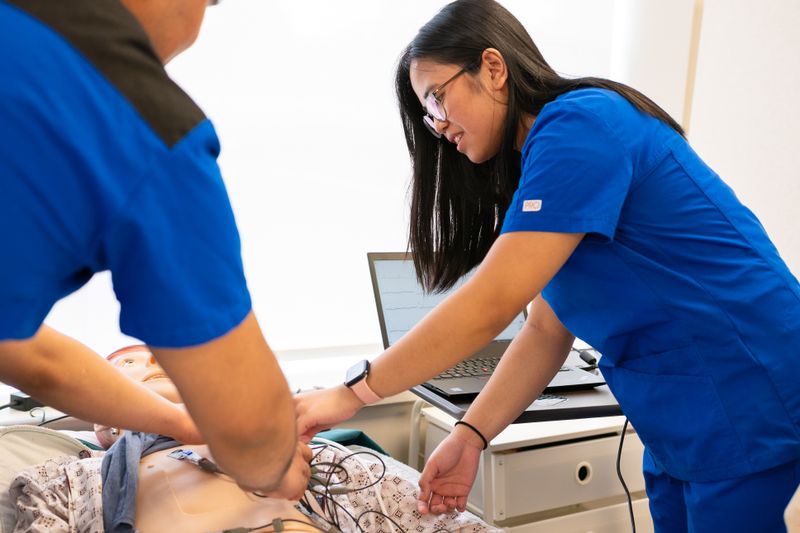
| Simulation-based training | Practicing procedures on medical mannequins in a controlled lab | Hands-on, no real patients |
| University pre-med summer programs | Structured coursework plus lab or clinical exposure | Varies by program |
| Medical research internships | Supporting a lab's ongoing research project | Research-focused, not clinical |
For clinical experience for high school students specifically, simulation-based programs are often the closest legal equivalent to hands-on practice before college.
Where to Find Medical Internships for High School Students
Hospital-Based Shadowing and Volunteer Programs
Most hospitals run junior volunteer or shadowing programs specifically for high schoolers, typically applied for a season in advance through the hospital's volunteer services office. These are usually free and don't require prior medical experience, though they're often first-come, first-served or lightly screened rather than highly competitive.
University Pre-Med Summer Programs
Many universities run summer programs specifically for high schoolers interested in medicine, combining coursework with lab exposure or simulation training. These are generally more structured and more selective than hospital volunteering, and many charge tuition, though free and need-based options exist. NIH's high school internship programs are a legitimate, well-known starting point for students specifically interested in medical research over clinical exposure.
What Age Can You Start a Medical Internship?
Most hospital volunteer and shadowing programs set a minimum age of 14 to 16, though the exact cutoff varies by hospital, state, and program type. University-run summer programs more often require students to be entering 10th grade or older, since the coursework and lab exposure assume a certain academic baseline.
If you're younger than most program minimums, that's not a dead end. Building a foundation now, through coursework, independent reading, or a research project on a health-related topic, puts you in a stronger position the moment you do become eligible.
How to Get Into a Competitive Medical Internship Program

Knowing how to get a medical internship in high school starts months before the actual application deadline, not the week applications open.
- Research programs early. Hospital and university programs often post application windows 3 to 6 months in advance, and some fill before the stated deadline.
- Build a foundation of relevant coursework. Biology, chemistry, and anatomy courses signal genuine interest, even without prior clinical experience.
- Get a strong recommendation letter. A science teacher who can speak to your specific curiosity and work ethic carries more weight than a generic reference.
- Write a specific personal statement. Vague interest in "helping people" is common. A specific moment or reason you're drawn to medicine stands out.
- Apply to more than one program. Competitive summer programs have real rejection rates, so a single application is a risky strategy.
Your first application will probably get rejected somewhere. So will your second one, if you're aiming at genuinely competitive programs. That's not a sign you're doing something wrong. It's a normal part of applying to selective opportunities, and the students who keep applying are the ones who eventually get in.
Does a Medical Internship Help With College Admissions?
Yes, but not automatically, and not just for having done it. Original research and hands-on experience signal intellectual maturity in a way test scores and club memberships cannot, but only if the student can speak to it specifically. A student who can describe what they actually observed, what surprised them, and how it shaped their thinking about medicine shows something real. A student who lists "hospital volunteer, 40 hours" with nothing else to say about it shows a checked box.
If your internship didn't include a research component, pairing it with an independent research project can round out an application in a way clinical exposure alone doesn't. Our guide to Stanford medical school research opportunities for high schoolers covers one path specifically built around that combination.
Frequently Asked Questions
What counts as a medical internship for a high school student?
A medical internship for high schoolers typically means structured, supervised exposure to healthcare or medical research, ranging from hospital shadowing and volunteer programs to university-run pre-med summer programs and clinical research internships. Minors generally can't perform hands-on patient care, so most programs focus on observation, simulation training, or research support.
Where can high school students find medical internships?
Common sources include hospital volunteer and junior volunteer programs, university-run pre-med summer programs, medical research internships through university labs, and national programs like NIH's high school internship offerings. Many are seasonal and require applying months in advance.
What age can you start a medical internship?
Most hospital volunteer and shadowing programs set a minimum age of 14 to 16, though specific requirements vary by hospital and state. University-run summer programs more often require students to be entering 10th grade or older.
Do you need experience to get a medical internship?
No prior medical experience is typically required, but competitive programs often look for demonstrated interest through coursework, extracurriculars, or independent research, not necessarily hands-on clinical hours.
Does a medical internship help with college admissions?
Yes, but the internship alone isn't what impresses admissions officers. What matters is what the student can say about it: what they observed, what they learned, and how it shaped their thinking, not just that they completed the hours.
Are medical internships for high schoolers paid?
Most are unpaid, especially hospital volunteer and shadowing programs. Paid options exist but are less common and typically more competitive, often tied to formal research internships rather than general clinical exposure.
What's the difference between shadowing and an internship?
Shadowing means observing a professional during their normal work, usually for a single day or short period. An internship is longer and more structured, often involving a defined project, research component, or recurring schedule over weeks or months.
How competitive are medical internships for high schoolers?
It varies widely by program. Hospital volunteer programs are often open to most applicants who meet the age requirement, while selective research-based programs can be as competitive as any other selective summer program.
The Bottom Line
Medical internships for high school students exist in more forms than the word "internship" implies, and the right one depends on what you're actually looking for: general exposure, hands-on simulation practice, or a research-driven project you can speak to in depth. Whichever path you choose, what you can say about it afterward matters more than the title on your resume.
If you want the research-driven version of that experience, paired with a mentor who can guide an original project from question to result, the Aspire Research Fellowship pairs you with a PhD-level mentor and a recent ISEF champion over 12 weeks. Over 20,000 students have gone through the program, with an acceptance rate of roughly 10%, open to grades 8 through 11.
Apply to the Aspire Research Fellowship →
For more on building research experience alongside clinical exposure, see our guides to research opportunities for high school students and how to start a research project in high school.