The COSMOS summer program acceptance rate is one of the most searched-for numbers around this program, and the honest answer is that the University of California has never published one. This guide covers what's actually known about how selective COSMOS is, what an eligible and competitive application looks like, how to apply, and what to do if you don't get in.

What Is the COSMOS Summer Program?
COSMOS, the California State Summer School for Mathematics and Science, is a four-week residential STEM program run by the University of California. Students apply to one specific campus and one subject cluster, then spend the summer working alongside UC faculty and other admitted students in that field.
| Detail | What It Is |
|---|---|
| Length | Four weeks, residential |
| Campuses | UC Davis, UC Irvine, UCLA, UC Merced, UC San Diego, UC Santa Cruz |
| Eligibility | California high school students only, rising 9th through rising 12th grade |
| Application fee | $44 |
| Program cost | $5,518 (housing, meals, and activities included; fee waivers available) |
That California-residency requirement catches some students off guard. If you don't attend school in California, COSMOS isn't an option regardless of your academic record, and it's worth confirming eligibility before building an entire summer plan around it.
What Is the COSMOS Acceptance Rate?
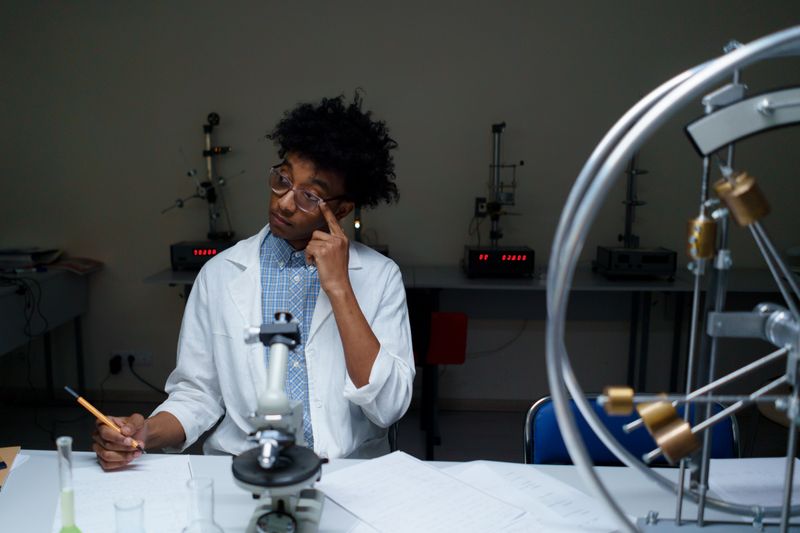
The University of California doesn't release an official number, so any specific percentage you see quoted online is an estimate, not a verified figure. Independent admissions consultants commonly cite a range of 20 to 40 percent, with the actual odds shifting by campus and, more significantly, by cluster.
How competitive is the COSMOS summer program really depends on which cluster you're applying to. Clusters tied to computer science, biomedical sciences, and advanced mathematics consistently draw more applicants per available seat than the overall range suggests, since those subjects attract the largest applicant pools statewide. A less commonly chosen cluster at a less centrally located campus can have meaningfully better odds than the headline range implies.
What Makes a COSMOS Application Competitive?

Admitted students typically share a few traits. GPA matters, with reported averages among admitted students landing around 3.8 unweighted, though COSMOS doesn't set a hard cutoff. A personal statement specific to the chosen cluster, not a generic essay about liking science, carries real weight. A strong teacher recommendation, ideally from someone who taught you in a subject close to your cluster, adds credibility that a GPA alone can't.
How hard is it to get into COSMOS also comes down to coursework depth. A student who's taken the most advanced math or science courses their school offers, and can point to a specific project or sustained interest in their chosen cluster, reads as a stronger fit than one applying on general academic strength alone.
How to Apply to COSMOS

- Confirm your eligibility first. You need to be a California high school student in the rising 9th through rising 12th grade range.
- Research the campuses and clusters. Each of the six campuses offers different subject clusters, so pick based on fit with your actual interest, not just proximity.
- Line up your teacher recommendation early. Ask a teacher who knows your work in a subject close to your intended cluster, well before the deadline.
- Write a cluster-specific personal statement. Reference the actual cluster you're applying to and why, not a general interest in STEM.
- Submit through the official COSMOS application platform. The window typically runs early January through early February, and the COSMOS FAQ page has the current year's exact dates and fee waiver details.
Is COSMOS Worth It If You Don't Get In?
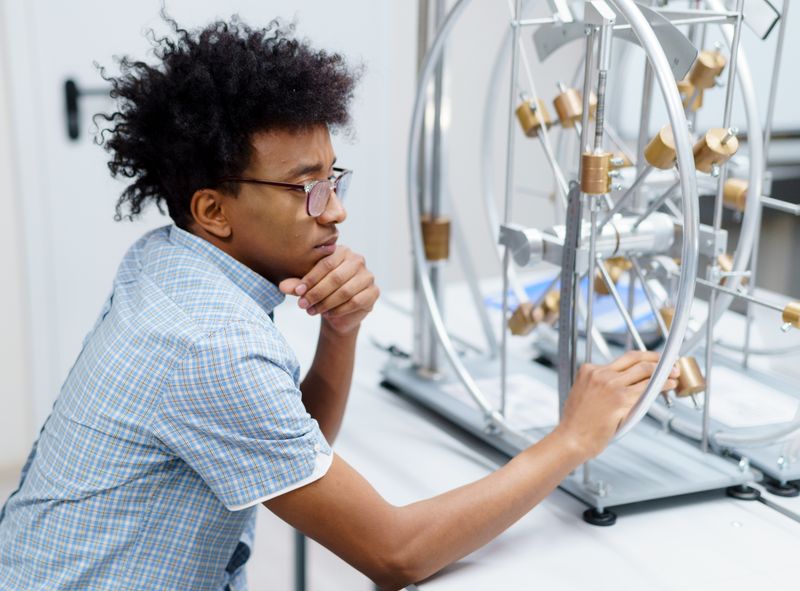
Not getting into a selective program like COSMOS doesn't close off a serious STEM path. Lab access and a name-brand program badge are not prerequisites for real research. A significant number of ISEF 2025 projects were completed without any lab access at all, built instead around a specific question, a dataset, and consistent mentorship.
If your goal was always a finished, ownable piece of research rather than the COSMOS name specifically, our guide to how to start a research project in high school covers the self-directed path. For students who want structured 1:1 guidance instead of a classroom-style cluster, the Aspire Research Fellowship pairs you with a PhD-level mentor and a recent ISEF champion over 12 weeks, with a project that's entirely your own from question to result. Over 20,000 students have gone through the program, with an acceptance rate of roughly 10%, open to grades 8 through 11.
Common Mistakes Students Make
Applying without checking California residency eligibility first. Out-of-state students sometimes discover this restriction after already drafting an application.
Writing a generic personal statement instead of one specific to the cluster. A statement that could apply to any STEM program signals less genuine interest than one built around the actual subject.
Treating COSMOS as the only path to real research experience. It's one selective option among several, not a required credential. Our guide to high school research programs breaks down other structured paths, including some with a more predictable admissions process.
Frequently Asked Questions
What is the COSMOS summer program acceptance rate?
The University of California doesn't publish an official acceptance rate for COSMOS. Independent estimates from admissions consultants put it somewhere between 20 and 40 percent depending on campus and cluster, with the most requested clusters, like computer science and biomedical sciences, running more competitive than that range suggests.
What is the COSMOS summer program?
COSMOS, the California State Summer School for Mathematics and Science, is a four-week residential STEM program hosted across six University of California campuses: Davis, Irvine, UCLA, Merced, San Diego, and Santa Cruz. Students apply to one campus and one subject cluster.
Who is eligible for COSMOS?
COSMOS is open to California high school students only, from rising 9th graders through rising 12th graders. Students who don't attend school in California aren't eligible to apply, regardless of academic record.
How much does COSMOS cost?
The application fee is $44. The four-week residential program itself costs $5,518, which covers housing, meals, orientation, and program activities. Fee waivers exist for students who qualify financially.
What makes a COSMOS application competitive?
Admitted students typically carry strong GPAs, often reported around a 3.8 unweighted average, along with a specific personal statement tied to their chosen cluster, a strong teacher recommendation, and coursework that shows genuine depth in that subject area rather than broad general interest.
Is COSMOS worth it if you don't get in?
Not getting in doesn't close off a STEM research path. A self-directed project built around a specific question, or a structured 1:1 mentorship program, can produce the same kind of concrete, finished research that a selective summer program is meant to lead to.
When does COSMOS applications open?
The online application typically opens in early January and closes in early February each year, ahead of the four-week summer session. Exact dates shift year to year, so confirm the current window on the official COSMOS application platform before you plan around it.
How is COSMOS different from a research mentorship program?
COSMOS places students in a classroom-style cluster alongside other admitted students, led by UC faculty and teaching assistants. A 1:1 mentorship program pairs a single student with a single mentor to develop an original, individual research project, which is a different structure with a different kind of ownership over the final work.
The Bottom Line
The COSMOS summer program acceptance rate doesn't exist as an official number, whatever percentage you find quoted elsewhere. What's actually knowable is that it's selective, that eligibility is limited to California residents, and that a strong, cluster-specific application improves real odds even without a published benchmark to measure against. Getting in isn't the only way to do real STEM research this summer.
If you'd rather build an original project with a dedicated mentor than compete for one of a limited number of COSMOS seats, the Aspire Research Fellowship pairs you with a PhD-level mentor and a recent ISEF champion over 12 weeks. Over 20,000 students have gone through the program, with an acceptance rate of roughly 10%, open to grades 8 through 11.
Apply to the Aspire Research Fellowship →
For a look at another selective, campus-based summer option, see our guide to Stanford medical school research opportunities for high schoolers.