The RSI summer program carries a reputation for being MIT's most selective pre-college option, but the specifics, how selective, what it costs, and who's actually eligible, get less attention than the name recognition. This guide covers what RSI actually involves, its real acceptance numbers, cost, eligibility, and how to prepare a competitive application.
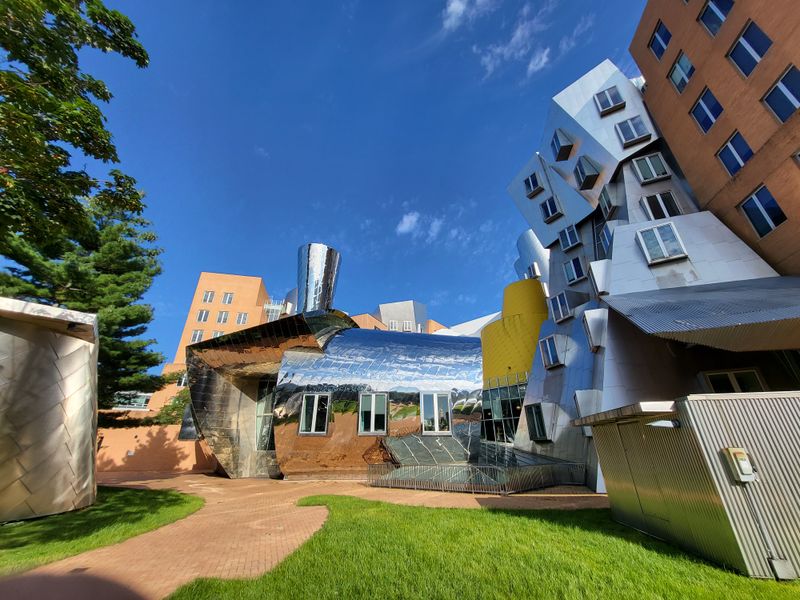
What Is the RSI Summer Program?
Research science institute mit is a six-week residential program, not a lecture series or a shorter workshop. Students spend the first portion of the program in intensive STEM coursework, then move into mentored, original research for the remainder.
| Detail | Info |
|---|---|
| Length | Six weeks, residential |
| Location | MIT, Cambridge, Massachusetts |
| Students selected | Approximately 100 per year, globally |
| Run by | Center for Excellence in Education (CEE) |
| Cost | Free (tuition, housing, meals); $75 application fee |
Mit rsi program is a useful shorthand, though RSI is administered by the Center for Excellence in Education, an independent nonprofit, in partnership with MIT rather than by MIT directly.
How Selective Is RSI?
Rsi acceptance rate figures commonly cited put applicant numbers around 3,100 for roughly 100 spots, which works out to a low single-digit percentage. Treat that as an approximation based on those two numbers rather than an officially published rate that holds exactly the same every year.
How hard is it to get into RSI depends heavily on demonstrated depth, not breadth. A student who can point to a specific, sustained STEM interest, ideally backed by some independent research experience already, competes differently than a student applying on general academic strength alone.
What Does RSI Cost?

RSI cost is lower than most selective residential programs by a wide margin: nothing, once accepted. Room, board, and academic costs for the full six weeks are covered by the program. The only direct cost is a non-refundable $75 application fee, and fee waivers exist for students who can't cover even that.
This cost structure removes financial barriers almost entirely once a student is admitted, which shifts the real barrier to admission itself rather than affordability. CEE's own press materials confirm this fee structure directly, worth checking each year since program details can shift.
Who Is Eligible for RSI?

RSI eligibility requirements center on timing: students apply during junior year (11th grade), for the summer before senior year. Current high school seniors are not eligible to apply at all, which makes this a one-shot opportunity tied to a specific point in a student's academic timeline.
Unlike some selective programs restricted to U.S. citizens, RSI accepts international students alongside domestic applicants, which widens the applicant pool considerably and contributes to how competitive the process actually is.
How to Prepare a Strong RSI Application

- Start building a specific STEM focus well before junior year. RSI applications favor depth in one area over broad general interest.
- Pursue independent research if you can, even informally. Prior experience, however small, gives you something concrete to describe.
- Confirm your timing. Applications happen during junior year for the summer before senior year, not any other point.
- Prepare for a genuinely competitive process. With thousands of applicants for around 100 spots, treat this as a long-shot application worth making, not a guaranteed outcome.
- Have a backup plan regardless of outcome. Our guide to the SSP summer program covers another selective, free research option worth comparing.
Common Mistakes Students Make
Waiting until senior year to look into RSI. By then, you're no longer eligible. This decision window closes at the end of junior year.
Assuming the application fee makes the program expensive overall. The $75 fee is the only direct cost. The six-week program itself is fully covered for admitted students.
Applying with a broad, unfocused interest statement. A specific research direction, even a tentative one backed by real prior effort, reads as more credible than general enthusiasm for STEM. Our guide to how to start a research project in high school covers how to build that kind of concrete experience before applying.
Frequently Asked Questions
What is the RSI summer program?
RSI, the Research Science Institute, is a six-week summer research program hosted at MIT, run by the Center for Excellence in Education. Roughly 100 rising high school seniors from around the world are selected each year for intensive coursework followed by mentored original research.
How selective is RSI?
Extremely. Around 3,100 students typically apply for approximately 100 spots, putting the acceptance rate in the low single digits. Treat any specific percentage as an approximation based on applicant and spot counts, not an officially guaranteed figure that repeats exactly every year.
How much does RSI cost?
RSI is free to attend, covering tuition, housing, and meals for the full six weeks. There's a non-refundable $75 application fee, though fee waivers are available for students with financial need.
Who is eligible for RSI?
Students typically apply during their junior year (11th grade), since high school seniors are not eligible to apply. RSI accepts both U.S. and international students, unlike some selective programs that restrict applicants to U.S. citizens.
Is RSI worth it?
For a student with a genuine, demonstrated interest in original research and the ability to commit six weeks away from home, RSI offers mentored research access and a peer group that's hard to replicate elsewhere. It's not the only path to a strong research credential, but it's a real one for the small number of students who get in.
What's the difference between RSI and SSP?
Both are highly selective, free or low-cost residential summer research programs, but they run through different organizations with different structures. Comparing specific research focus and location matters more than comparing the two programs by prestige alone.
Does RSI accept high school seniors?
No. RSI is built for rising seniors, meaning students apply during 11th grade for the summer before senior year. Current seniors are not eligible to apply.
How do you prepare a strong RSI application?
Demonstrated depth in a specific STEM area matters more than broad extracurricular involvement. Prior independent research, even informal or unpublished, gives you something concrete to describe rather than a general interest statement.
The Bottom Line
The RSI summer program is genuinely selective, genuinely free once admitted, and genuinely limited to a single application window during junior year. Knowing the real numbers, roughly 100 spots against thousands of applicants, sets realistic expectations without discouraging a student with a real, specific research interest from applying.
If RSI's odds or timing don't work for your situation, the Aspire Research Fellowship pairs you with a PhD-level mentor and a recent ISEF champion over 12 weeks to build an original research project you own from question to result. Over 20,000 students have gone through the program, with an acceptance rate of roughly 10%, open to grades 8 through 11.
Apply to the Aspire Research Fellowship →
For another highly selective research program worth comparing, see our guide to Stanford medical school research opportunities for high schoolers.