The SSP summer program shows up in searches from students who've heard the name but not much else: how selective it is, what it actually costs, or which of its research tracks fits their interest. This guide covers what SSP actually involves, its four research tracks, real cost and financial aid numbers, who's eligible, and how to apply.

What Is the SSP Summer Program?
Summer science program ssp is a five-week residential research program, not a lecture-based summer camp. Students live on a university campus and work through an actual research project in their chosen track, start to finish, over the five weeks.
| Detail | Info |
|---|---|
| Length | Five weeks, residential |
| Campuses | 16 university sites |
| Research tracks | Astrophysics, Bacterial Genomics, Biochemistry, Cell Biology |
| Eligibility | Rising high school seniors (current juniors) |
| Max cost | $11,800, with income-based aid available |
SSP has run for more than 66 years, making it one of the longest-standing pre-college research programs still operating.
The Four SSP Research Tracks
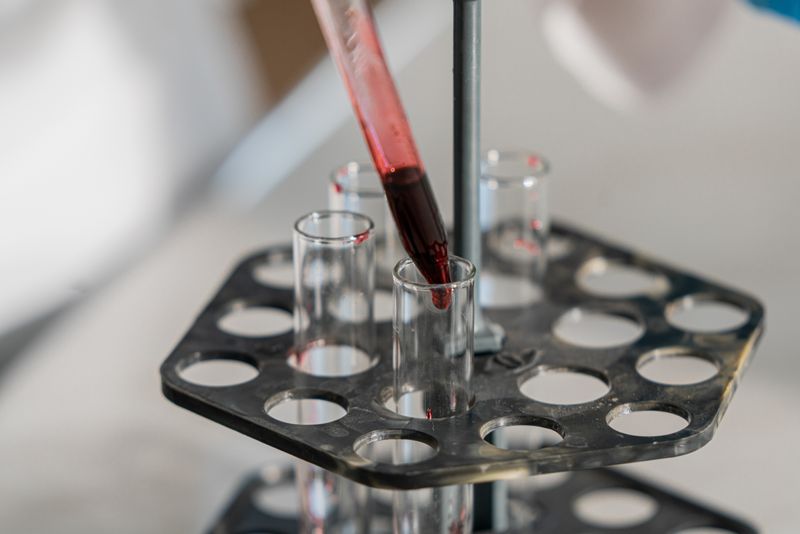
SSP research tracks run through four specific fields: Astrophysics, where students observe and analyze real astronomical data; Bacterial Genomics, focused on genomic sequencing and analysis; Biochemistry, centered on lab-based chemical and biological research; and Cell Biology, the newest addition to the track lineup.
Not every track runs at every campus, so picking a track first, then checking which of the 16 sites offers it, is the right order to research this in.
How Selective Is SSP?
SSP doesn't publish an official acceptance rate, so treat any specific percentage cited elsewhere as an estimate rather than a verified figure, the same standard worth applying to any selective program that doesn't release its own numbers directly. What is verifiable is the format: a fixed number of spots across 16 campus sites and four tracks, competing against a national applicant pool.
How hard is it to get into SSP depends partly on which track and campus you apply to, since demand isn't evenly distributed across all 16 sites. A specific, demonstrated interest in your chosen track, backed by relevant coursework, matters more than a general strong transcript alone.
What Does SSP Actually Cost?

SSP cost and financial aid works on a sliding scale, not a flat fee. The maximum program fee is $11,800. Households with income under roughly $100,000 will likely qualify for free attendance plus travel costs, according to SSP's own fees and financial aid page, and households under roughly $140,000 will likely qualify for a partially discounted fee.
This income-based structure means the $11,800 headline number applies to a smaller share of families than it first appears, and shouldn't rule out applying before checking where your household actually falls on the sliding scale.
Who Is Eligible for SSP?

SSP eligibility requirements are narrower than most summer programs. SSP is built specifically for rising high school seniors, meaning current juniors, generally between 15 and 19 years old during the program itself. Any other grade level, younger or older, falls outside the eligibility window entirely.
The academic prerequisite is track-specific: you need to complete the relevant coursework for your chosen track, for credit and a grade, by June of the program year. Checking your specific track's coursework requirement early, ideally at the start of junior year, avoids finding out too late that a prerequisite class needs to be scheduled.
How to Apply to SSP
- Confirm you're a rising senior with the right age range, since this eligibility window is fixed and narrow.
- Pick a research track based on real interest, not just which one sounds most impressive.
- Check that track's coursework prerequisite immediately, so you can still schedule a required class if you're missing one.
- Apply to a campus site that actually offers your track. Not all 16 sites run every track.
- Check the current income thresholds directly on SSP's own site before assuming the $11,800 figure applies to your family.
If SSP's track offerings don't match your interest, our guide to the Broad Institute summer research program and Stanford medical school research opportunities cover other selective, named research programs worth comparing.
Common Mistakes Students Make
Waiting until senior year to look into SSP. By then, you're no longer eligible. This has to be researched and applied to during junior year specifically.
Missing a track's coursework prerequisite. A specific class needs to be completed for credit by June, and discovering that requirement late can mean missing the window entirely.
Assuming the $11,800 fee applies regardless of income. The sliding scale changes the real cost significantly for most applying families, and skipping past that detail can rule out an option that's actually affordable.
Frequently Asked Questions
What is the SSP summer program?
SSP, the Summer Science Program, is a five-week residential research program for rising high school seniors, run across 16 university campuses. Students complete original research in one of four tracks: astrophysics, bacterial genomics, biochemistry, or cell biology.
What research tracks does SSP offer?
Four: astrophysics, bacterial genomics, biochemistry, and cell biology. Each track runs at specific campus sites, so the track you want may determine which location you apply to.
How much does SSP cost?
The maximum program fee is $11,800, but SSP states that households with income under roughly $100,000 will likely qualify for free attendance plus travel costs, and households under roughly $140,000 will likely qualify for a partially discounted fee.
Who is eligible for SSP?
Rising high school seniors, meaning current juniors, generally between 15 and 19 years old during the program. Applicants need to complete the specific coursework required for their chosen research track, for credit and a grade, by June of the program year.
How selective is SSP?
SSP doesn't publish an official acceptance rate, so any specific percentage you see cited is a third-party estimate, not a verified figure. It's widely regarded as highly selective, admitting a small fraction of applicants across its 16 campus sites each year.
Is SSP only for juniors?
Yes. SSP is specifically built for rising seniors. Current freshmen, sophomores, and seniors are not eligible to apply, which makes timing this correctly during junior year important.
Is SSP worth the cost?
For a student whose family doesn't qualify for the income-based aid, that's a real question to weigh against other options. For families under the roughly $100,000 income threshold, the aid structure makes cost far less of a barrier than the sticker price suggests.
What's the difference between SSP and a research program like Stanford SIMR?
Both are selective, residential summer research programs, but they run through different institutions with different track offerings and eligibility windows. Comparing the specific research track and campus location matters more than comparing the programs by name alone.
The Bottom Line
The SSP summer program is a real, long-running, highly selective research option, but only during one specific window: junior year, with the right track's prerequisite already completed. The sliding-scale cost structure matters as much as the headline fee, and checking both early gives you a realistic shot rather than a last-minute scramble.
If SSP's junior-year-only window doesn't line up with where you are right now, the Aspire Research Fellowship pairs you with a PhD-level mentor and a recent ISEF champion over 12 weeks, open to grades 8 through 11 rather than a single grade level. Over 20,000 students have gone through the program, with an acceptance rate of roughly 10%.
Apply to the Aspire Research Fellowship →
For a self-directed alternative that doesn't depend on a single program's eligibility window, see our guide to how to start a research project in high school.