Science fair project ideas for eighth graders usually come from a list of fifty vague topics that all sound the same by the tenth one. This guide breaks down real, specific project ideas by category, biology, physical science, and environmental science, then covers how to turn any of them into an actual testable project instead of just a topic.

What Makes a Strong 8th Grade Science Fair Project?
Science fair ideas for 13-14 year olds work best when they're specific enough to test, not just a broad subject area you find interesting.
| Quality | Weak Example | Strong Example |
|---|---|---|
| Testable | "Plants are affected by light" | "How does light color affect bean seedling growth over 2 weeks?" |
| Measurable | "Music affects mood" | "Does tempo of background music change reaction time on a memory task?" |
| Realistic timeline | A project needing months of specialized equipment | A project you can run with household or classroom materials in a few weeks |
| Safe | Anything involving hazardous chemicals or live subjects without supervision | Materials you can source and handle safely at home or school |
A good project idea answers one specific question with real, collected data, not a general topic you write a report about. Science Buddies maintains a large, well-organized library of tested project ideas across every subject if you want more starting points beyond what's here.
Biology and Life Science Project Ideas
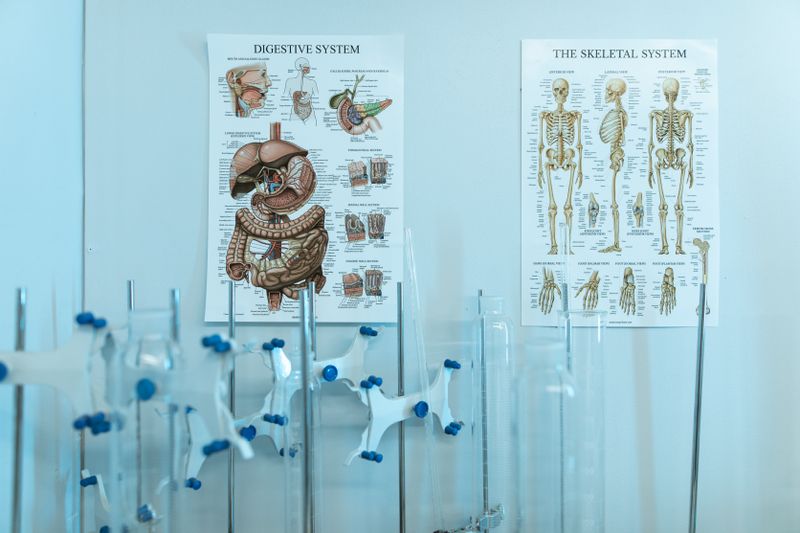
Easy science fair projects for 8th grade in biology don't have to mean the classic baking-soda-volcano level of simplicity. Real, testable options include: how different sugar concentrations affect yeast fermentation rate, whether hand sanitizer effectiveness changes with alcohol percentage, how caffeine concentration affects plant seed germination speed, or whether reaction time changes measurably after a short burst of exercise.
Each of these has a clear variable you control, a clear measurement you can take, and enough depth to actually learn something specific rather than confirming something obvious.
Physical Science and Engineering Project Ideas
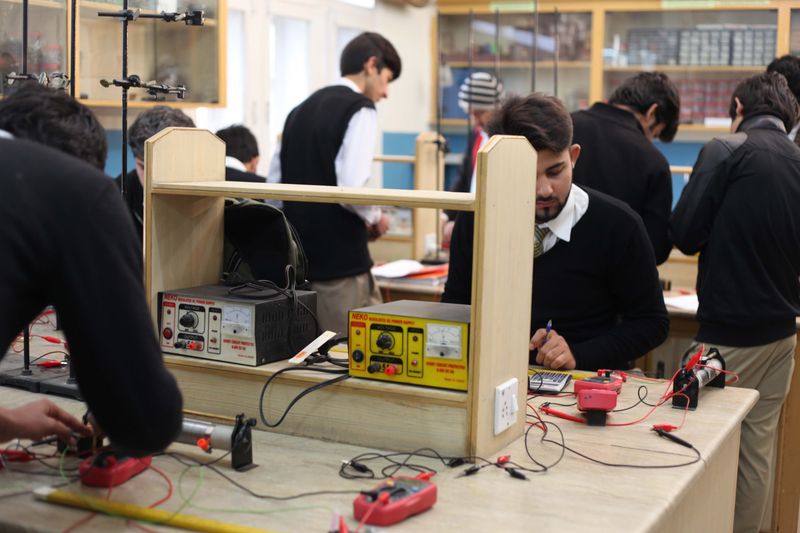
Physical science and engineering ideas give you something to build, not just measure. Test which bridge truss design holds the most weight relative to material used, or how insulation material type affects how long an ice cube takes to melt. A solar panel angled at different positions shows measurable differences in light capture across the day. Even a paper airplane's wing shape produces real, testable differences in flight distance.
These work well for students who like a hands-on build-and-test process rather than purely observational measurement.
Environmental Science Project Ideas
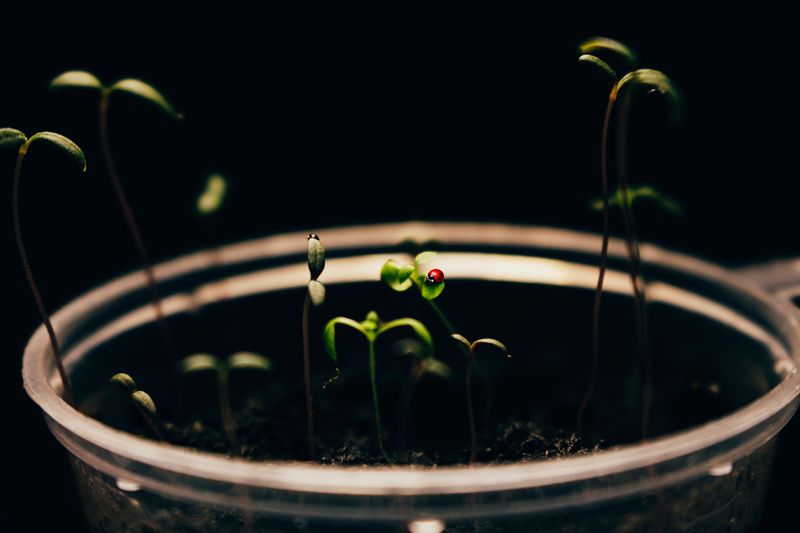
Environmental science ideas connect naturally to things students already notice around them: how different types of mulch affect soil moisture retention, whether water filtered through different materials (sand, charcoal, gravel layers) removes more visible sediment, how salt concentration affects seed germination rate, or whether the color of a container affects how quickly water inside it heats up in sunlight.
If any of these spark a deeper interest that goes beyond a single science fair project, our guide to research topics for high school students covers where a curiosity like this can lead over a longer project.
How to Narrow Down Your Idea Into a Real Project

- Pick one variable you're changing and one thing you're measuring. If you can't name both clearly, the idea is still too broad.
- Write your question as an actual question, not a topic. "How does X affect Y" forces specificity in a way "X and Y" doesn't.
- Check that you can realistically get materials and run multiple trials. One trial isn't real data. Plan for at least three.
- Predict what you think will happen and why, before you run it. This becomes your hypothesis.
- Confirm the timeline works backward from your fair date, with real buffer time for something not going as planned.
For a broader framework on turning any curiosity into a full research project, our guide to how to start a research project in high school walks through the same process at more depth.
Common Mistakes Students Make
Picking a topic instead of a question. "Volcanoes" is a topic. "Does the ratio of baking soda to vinegar change how high a model volcano's eruption reaches" is a project.
Running only one trial. A single data point isn't a result. Real experiments need repeated trials to show the outcome wasn't just chance.
Choosing an idea because it sounds impressive rather than because it's actually testable with what you have access to. A simple, well-executed project beats an ambitious one you can't actually finish. The Society for Science's ISEF program is what a strong project idea can eventually lead to competition-wise, and our guide to high school academic research competitions covers what comes next after school-level science fairs.
Frequently Asked Questions
What makes a good science fair project idea for an eighth grader?
A testable, specific question you can actually measure, not a broad topic. "How does music affect plant growth" is testable. "Plants are interesting" is not a project idea at all, just a subject area.
How long should an eighth grade science fair project take?
Most school science fairs expect several weeks of actual work, not counting the write-up, since real experiments need time for setup, data collection over multiple trials, and analysis. Starting a month or more before the deadline gives you enough room to adjust if your first approach doesn't work.
Do eighth grade science fair projects need to be original?
The specific question and approach should be your own, even if the general topic area is common. Testing plant growth under different light colors isn't a new idea, but the specific plants, light sources, and measurements you choose make it your project.
What's the difference between a science fair project and an ISEF project?
A school science fair project is usually a shorter, more contained experiment. ISEF-track projects, which typically come later in high school, involve deeper original research, often over months, following a more rigorous experimental design and documentation process.
Can eighth graders do research-based science fair projects instead of experiments?
Yes, though most school science fairs at this level expect a hands-on experiment with real data you collected yourself, rather than a literature review or research summary alone.
How do you pick a science fair project idea if you're not sure what you're interested in?
Start from something you already notice or wonder about in daily life, not a list of "good" topics. A specific, personally curious question is easier to sustain through weeks of work than a topic picked because it sounded impressive.
Should eighth graders use a science fair project idea from a website?
A website can spark an idea, but copying a project exactly usually means less understanding of why each step matters. Adjusting the variables, materials, or specific question to something you're genuinely curious about makes the project actually yours.
What happens after eighth grade science fair projects, competition-wise?
Strong middle school science fair experience builds real skills, forming a hypothesis, designing a fair test, analyzing data, that carry directly into high school-level research and eventually ISEF-track competition, which becomes realistic starting around 9th or 10th grade.
The Bottom Line
Science fair project ideas for eighth graders work best when they start as a specific question, not a broad topic pulled from a list. A simple, well-tested project with real repeated trials beats an ambitious idea that never gets properly finished, and the skills built now, forming a hypothesis, running a fair test, reading your own data honestly, carry directly into more serious research later.
If this year's project turns into a genuine interest you want to keep building on, the Aspire Research Fellowship pairs you with a PhD-level mentor and a recent ISEF champion over 12 weeks to develop an original research project. Over 20,000 students have gone through the program, with an acceptance rate of roughly 10%, open to grades 8 through 11.
Apply to the Aspire Research Fellowship →
For more on where a strong project idea can lead, see our guide to research topics for high school students.