A high school IT internship gets confused with a coding internship more often than it should, given they're built around completely different skills. This guide covers what an IT internship actually involves, how it differs from a software internship, where to find one, whether you need a certification first, and how to get started with no experience.

What Counts as a High School IT Internship?
IT internship for high schoolers covers a specific set of skills distinct from software development: keeping existing technology running rather than building new applications.
| Task | IT Internship | Coding/Software Internship |
|---|---|---|
| Hardware troubleshooting | Yes | Rarely |
| Network setup and support | Yes | Rarely |
| Help desk / user support | Yes | No |
| Building new software | No | Yes |
| Data science / algorithms | No | Yes |
If your actual interest is building software, our guide to high school STEM internship programs covers coding and data science paths specifically, a genuinely different skill track from what's covered here.
IT Internships vs. Coding and Software Internships
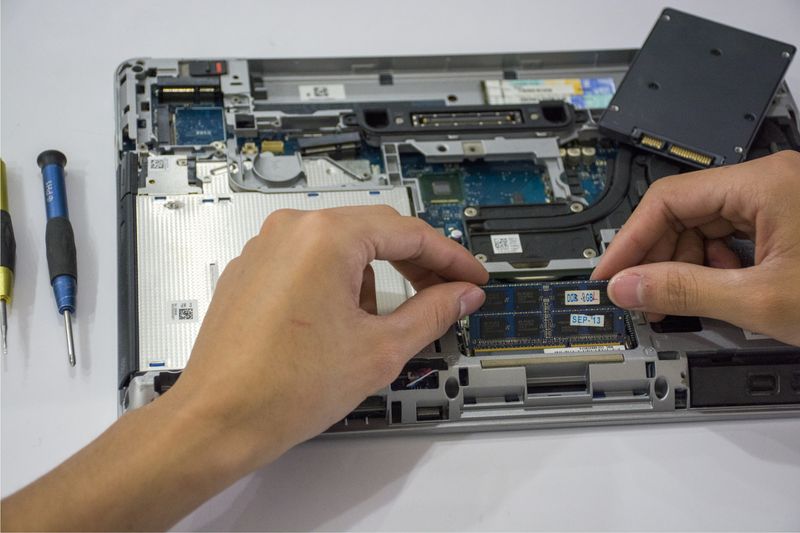
Network support internship high school work and coding work draw on different daily skills, even though both fall under a broad "tech" umbrella. IT support is hands-on and reactive: a device isn't working, a network connection dropped, a user needs help with a login issue. Coding work is constructive: writing new logic, building a feature, testing software you created.
Neither is a lesser path than the other. A student who likes solving a concrete, physical problem in front of them usually fits IT support better than a student who prefers building something from a blank page, which fits software development better.
Where to Find IT Internships as a High Schooler

Help desk internship for high school students opportunities often start closer than students expect. Your own school's IT or technology department is one of the most accessible starting points, since some schools use student aides for basic device support, and asking directly costs nothing. Small local businesses that can't justify a dedicated IT staffer are another realistic option, usually reached through a direct, specific request rather than a formal posted listing.
Larger companies rarely offer formal IT internships at the high school level specifically, so a local, direct approach tends to outperform searching for a structured national program.
Do You Need Certifications First?

No, but a real certification helps your application stand out. CompTIA A+ is a well-known entry-level IT certification, and high school juniors and seniors 16 and older can access student pricing on the exam, verified through a third-party service, though it's a discount, not a free exam. Cisco Networking Academy is a genuinely free option, open to 11th and 12th graders, with subsidized certification vouchers included and coursework that covers network fundamentals through cybersecurity basics.
Neither certification is required to start. Both give you something specific to reference in an application or an outreach email, which matters more than the certification title alone.
How to Get an IT Internship With No Experience

- Ask your own school's IT department first. It's the lowest-barrier option and doesn't require competing against outside applicants.
- Consider a free program like Cisco Networking Academy if you want structured skill-building before reaching out anywhere.
- Identify small local businesses without dedicated IT staff. A direct, specific email outperforms a broad search for formal postings that likely don't exist.
- Lead with a specific offer, not a general interest. "I can help with basic computer setup and troubleshooting" gets a response. "I'm interested in IT" doesn't.
- Document what you actually did afterward. A specific system you helped fix or set up is what makes this experience credible later.
If you're weighing this path against hands-on hardware work more specifically, our guide to circuit design internships for high school students covers a related but distinct hardware-focused option.
Common Mistakes Students Make
Assuming an IT internship requires coding skills. It doesn't. Confusing the two wastes time preparing the wrong materials.
Waiting for a formal posting instead of asking directly. Most high school IT internships come from a direct ask to a school department or small business, not a job board. Our guide to paid internships for high school students covers what to expect on compensation across internship types broadly.
Treating a certification as a replacement for actually doing the work. A certification supports an application. It doesn't substitute for describing real, specific troubleshooting experience.
Frequently Asked Questions
What counts as a high school IT internship?
Help desk support, hardware troubleshooting, network setup, and basic systems administration, not software development. IT internships focus on keeping existing technology running, while coding internships focus on building new software.
Do you need coding skills for an IT internship?
No. IT support work is hardware and systems focused, not programming focused. Some familiarity with operating systems and basic troubleshooting matters more than any coding language.
Where can high school students find IT internships?
A school's own IT or technology department is one of the most accessible starting points, since some schools use student aides for basic tech support. Small local businesses that can't afford a dedicated IT staffer are another realistic option, reached through direct outreach rather than a formal listing.
Is CompTIA A+ certification free for high schoolers?
No, but it's discounted. High school juniors and seniors 16 and older can access CompTIA's student pricing on exam costs, verified through a service called SheerID, though the exam itself still costs money.
What is Cisco Networking Academy?
A free program from Cisco that teaches networking, IT support, and cybersecurity skills, open to 11th and 12th graders at the high school level, with free or subsidized vouchers for certification exams.
How do you get an IT internship with no experience?
Start with your own school's tech department, since it's the most accessible option and doesn't require an outside application process. A local business shadowing arrangement, secured through a direct, specific ask, is the next most realistic option.
Does an IT internship help with college applications?
Yes, but only with specifics attached. Being able to describe an actual system you helped troubleshoot or set up matters more than the words "IT internship" alone on an application.
What's the difference between an IT internship and a computer science internship?
An IT internship covers hardware, networks, and systems support, keeping existing technology functional. A computer science internship covers building new software. They're related fields that use different skill sets day to day.
The Bottom Line
A high school IT internship is a distinct path from a coding internship, one focused on keeping technology running rather than writing new software. Your own school's IT department, a local business willing to take a direct ask, and a free program like Cisco Networking Academy are more realistic starting points than a formal national internship program.
If your interest actually points toward research rather than IT support specifically, the Aspire Research Fellowship pairs you with a PhD-level mentor and a recent ISEF champion over 12 weeks. Over 20,000 students have gone through the program, with an acceptance rate of roughly 10%, open to grades 8 through 11.
Apply to the Aspire Research Fellowship →
For other technical paths beyond IT support specifically, see our guide to high school STEM internship programs.