UCSB Research Mentorship Program searches usually want one of two things: whether a sophomore or junior actually qualifies, and what it really costs once housing and fees are added in. This guide covers RMP's real 2026 eligibility rules, exact costs by format, what the research experience actually involves, and how it stacks up against other research mentorship options.
What Is the UCSB Research Mentorship Program?
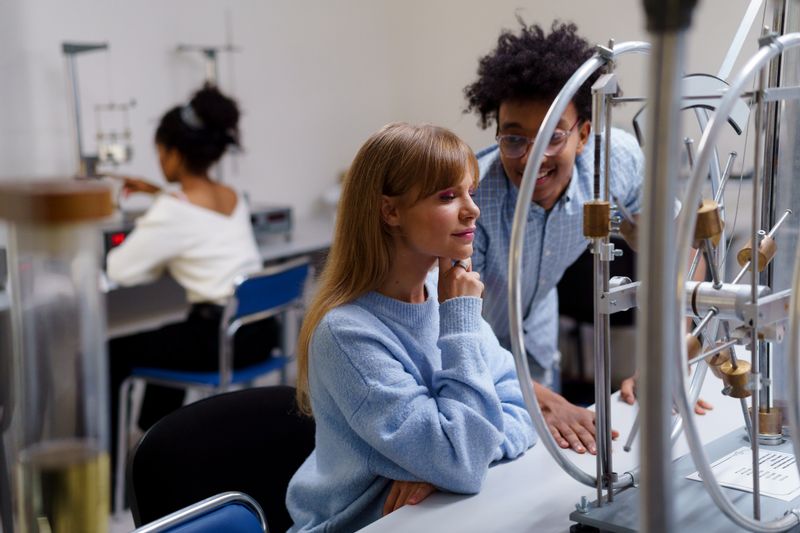
RMP is a roughly six-week summer program that places high-achieving high schoolers into real, interdisciplinary, university-level research at UC Santa Barbara, working one-on-one with a mentor who's a graduate student, postdoc, or faculty member. The 2026 program runs June 15 to July 31, and students attend the GRIT talks lecture series featuring UCSB researchers throughout.
| Feature | Detail |
|---|---|
| Length | ~6.5 weeks (June 15 - July 31, 2026) |
| Grade eligibility | 10th-11th grade (exceptional 9th graders case-by-case) |
| Minimum GPA | 3.80 weighted |
| Mentor type | Graduate student, postdoc, or faculty |
| Format | Commuter or residential |
| Concurrent activities | Not permitted |
What separates RMP from a pre-college course or a summer academy is the mentorship structure: students aren't sitting in a classroom taking a class alongside undergrads, they're working directly under a research mentor on real work.
Who Can Apply: RMP Eligibility Requirements
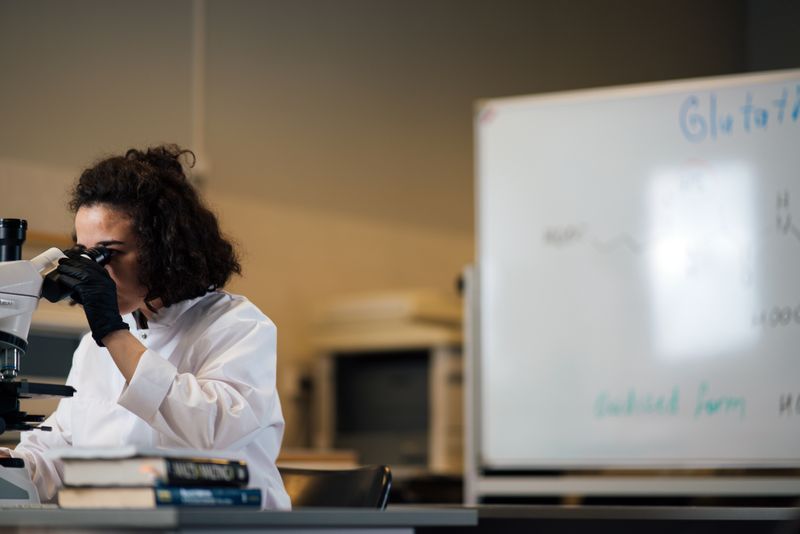
RMP is built specifically for 10th and 11th graders. Exceptional 9th graders can apply and are reviewed individually, but this isn't a program aimed at rising seniors the way some pre-college tracks are. A minimum 3.80 weighted GPA is required, and the application asks for a high school transcript including first-semester 2025-2026 grades, optional AP scores, a 500-word personal statement about research interests, and four short response essays capped at 150 words each. Letters of recommendation aren't required for 2026.
One requirement that surprises some families: RMP doesn't allow concurrent enrollment in other courses, jobs, or programs. The commitment starts with a virtual orientation component and runs through closing events, and UCSB is explicit that students need to be available for all of it. If that full-time structure doesn't fit a student's summer, research opportunities for high school students covers other formats with more flexibility.
What Research at RMP Actually Looks Like
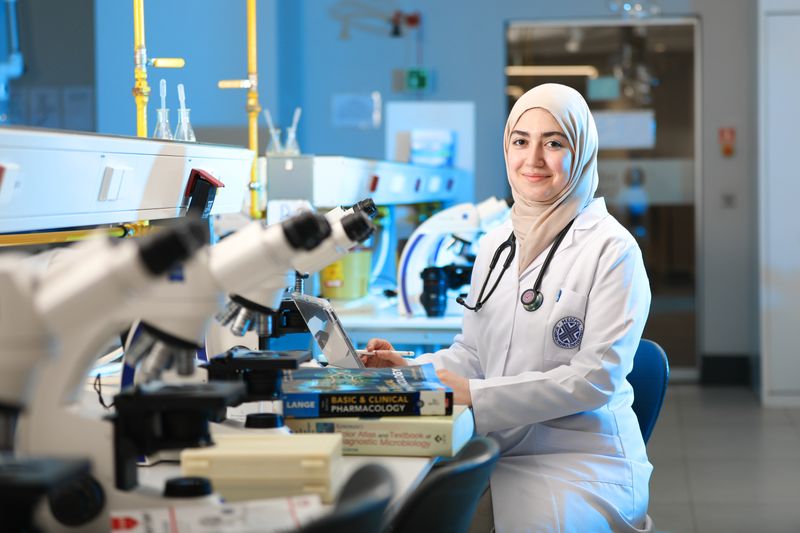
Students are paired with a mentor working in their field of interest and take on hands-on, interdisciplinary research under that mentor's direction. The GRIT talks lecture series runs alongside the research work, giving students exposure to UCSB faculty research beyond their own specific project. This is closer to a real lab apprenticeship than a structured course, which is also why the program requires full-time attention for its full six-plus weeks.
How Much Does UCSB RMP Cost?

For 2026, per UCSB's own cost breakdown:
| Item | Commuter | Residential |
|---|---|---|
| Application fee | $75 | $75 |
| Enrollment deposit | $1,000 | $1,000 |
| Tuition and program fees | $5,600 | $5,600 |
| Housing and meals | $0 | $7,599 |
| Total | $5,675 | $13,274 |
The application fee and enrollment deposit are both non-refundable, and remaining balances are due by May 8, 2026. Refunds on the rest scale down on a schedule: full refund through May 15, 50% through May 22, none after. A limited number of need-based scholarships exist, with priority given to California residents, but they're only available after admission through a separate application.
How to Apply to UCSB RMP

- Confirm your GPA meets the 3.80 weighted minimum before investing time in the rest of the application.
- Gather your transcript, including first-semester 2025-2026 grades.
- Write your 500-word personal statement on your research interests, plus the four 150-word short responses.
- Submit between December 15, 2025, and March 9, 2026. Admissions are rolling, so earlier applications get reviewed sooner, even though the window stays open through March.
- Indicate scholarship interest on the application if you'll need financial aid, since that's the only way to trigger the follow-up scholarship application if admitted.
UCSB doesn't publish an official acceptance rate, and third-party estimates describing RMP as highly competitive shouldn't be treated as confirmed numbers since the university hasn't verified them.
Is UCSB RMP Worth It?
RMP is one of the more honest matches to what Aspire believes research access should look like: a real mentor, real hands-on work, not a lecture hall. At $5,675 commuter or $13,274 residential, it also sits in or well above the range Aspire has a clear stated position on, that $5,000-$10,000-plus programs often deliver less than the price tag implies. RMP's structure argues against that generalization somewhat, since a direct mentor match is exactly the kind of thing that tends to produce a real outcome rather than exposure alone.
The tradeoffs worth knowing: RMP requires full-time commitment for six-plus weeks with zero flexibility for other activities, it's restricted to 10th-11th graders with a 3.80 GPA floor, and the residential cost is substantial. The Aspire Research Fellowship runs 12 weeks instead of six, works around a student's existing schedule with 45-60 minute weekly meetings rather than a full-time in-person commitment, accepts grades 8-11, and costs $2,997, meaningfully less than RMP's residential track. Apply to the Aspire Research Fellowship →
If a six-week, on-campus, full-immersion research experience in Santa Barbara is specifically what you're after, RMP delivers that. If the goal is a finished research project that fits around a school-year schedule, that's a different shape of program. See research programs for high school students for more named options across both models.
Frequently Asked Questions
What is the UCSB Research Mentorship Program? RMP is a roughly six-week summer program at UC Santa Barbara that pairs high-achieving high school students with a graduate student, postdoc, or faculty mentor for interdisciplinary, university-level research. It runs June 15 to July 31, 2026, and includes a lecture series featuring UCSB researchers.
What grade do you need to be in to apply to UCSB RMP? RMP is built for 10th and 11th graders. Exceptional 9th graders are considered on a case-by-case basis, but the program isn't generally open to rising seniors.
What GPA do you need for UCSB RMP? A minimum 3.80 weighted academic GPA is required to apply, according to UCSB's own admissions page.
How much does UCSB RMP cost? The commuter option totals $5,675, including a $75 application fee, $1,000 enrollment deposit, and $5,600 in tuition and program fees. The residential option totals $13,274, adding $7,599 for housing and meals.
Does UCSB RMP have a published acceptance rate? No. UCSB doesn't publish an official acceptance rate for RMP. Third-party estimates describe it as highly competitive, but no admitted-vs-applied number is confirmed directly by the university.
Is financial aid available for UCSB RMP? Yes, a limited number of need-based scholarships are available, with priority given to California residents. Students indicate interest on the application, and if admitted, a guardian receives a separate scholarship application to complete.
Can you do other activities while enrolled in UCSB RMP? No. UCSB is explicit that students can't take other courses, jobs, or programs concurrently, since the program requires full attendance from the virtual orientation component through closing events.
The Bottom Line
UCSB RMP is a real, mentor-driven research program with an honest structure behind its price tag, but it demands a full six-plus weeks with no flexibility and comes with a real cost, especially residential. Knowing the exact GPA floor, grade window, and total cost before you apply is what turns this from a maybe into an actual plan. If the schedule or the eligibility window doesn't fit, a research mentorship built around the school year is worth comparing directly.
Apply to the Aspire Research Fellowship → and see how to start a research project in high school for what a self-directed first step looks like outside a summer program.