The UCSF Summer Student Research Program gets searched by far more students than actually qualify for it, because the eligibility rule that matters most rarely makes it into the search snippet. SSRP pays high schoolers $3,000 to do real biomedical research at UCSF for seven weeks, but it's built specifically for students underrepresented in the sciences, not open enrollment. By the end of this guide, you'll know exactly who qualifies, what the program actually pays for, and the real annual timeline, including why the 2026 window is already closed.

What Is the UCSF Summer Student Research Program?
SSRP is a seven-week, full-time research program run by UCSF, pairing students with a mentor to conduct clinical or basic science research alongside weekly seminars, journal clubs, and group mentoring. The program's own stated mission is to "stimulate interest in health sciences for under-represented students, arming them with professional skills and confidence." For the 2026 cycle, UCSF accepted high school applicants only, a separate track from its usual undergraduate program.
That mission statement isn't just framing. It's the actual eligibility gate, and it's the detail most students researching this UCSF summer research program for high schoolers miss entirely.
| UCSF SSRP High School Track | |
|---|---|
| Duration | 7 weeks, full-time, in-person |
| 2026 dates | June 15 - July 31, 2026 |
| Stipend | $3,000 |
| Housing | Not provided or funded |
| Eligibility | Grades 10-12, underrepresented in the sciences |
| Application deadline | Mid-February (2025 cycle: February 14) |
Who Is Actually Eligible

Three requirements apply to every applicant. You need to be in sophomore through senior year of high school, with at least one completed year each of math and biology. You need to be 16 years old by June 1 of the program year. And you need to be considered under-represented in the sciences, a category UCSF defines to include first-generation college students, students from low socioeconomic backgrounds, students with disabilities, or otherwise disadvantaged applicants.
That third requirement isn't a soft preference weighed alongside other factors. It's a hard eligibility criterion, the same way a minimum GPA or an age cutoff would be. A student who meets the academic requirements but doesn't fit any part of the underrepresented criteria won't qualify for this specific program, no matter how strong their transcript is.
If that describes your situation, Stanford's SIMR program runs on different eligibility terms, and a mentorship model like the Aspire Research Fellowship doesn't restrict applicants by background at all.
What You Actually Do for Seven Weeks

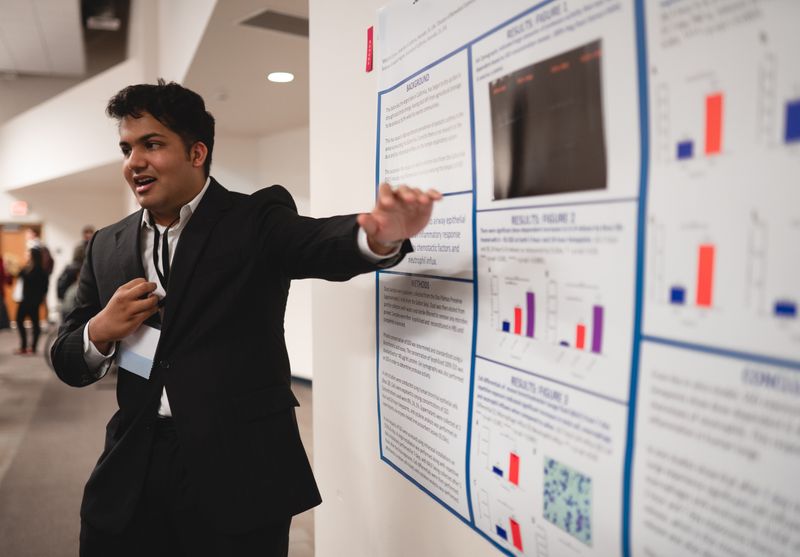
Every accepted student is matched with a mentor for real clinical or basic science research, not a simulated project built for the summer. Alongside the lab or clinical work, the program runs weekly expert-led seminars, journal clubs where students discuss published research together, and group mentoring sessions focused on professional skills. The seven weeks end with a research symposium, where students present their findings as either a poster or an oral presentation, in front of mentors, peers, and UCSF faculty.
This is a real research experience, closer to a biomedical research program for high school students than a shadowing or enrichment program. Full-time, in-person attendance is required, which rules out combining it with a summer job or another concurrent commitment.
Is It Paid? What SSRP Actually Costs
High school participants receive a $3,000 stipend for the full seven weeks, a meaningful number compared to most research programs at this level, many of which are entirely unpaid or charge tuition. What UCSF doesn't cover is housing. The program's own FAQ states plainly that housing isn't provided and no funding is available to support it, which matters most for a student who doesn't already live within commuting distance of San Francisco.
That combination, real pay plus no housing support, makes SSRP a strong option for local Bay Area students and a genuinely difficult logistical question for anyone else. Factor housing cost into the decision before you factor in the stipend.
The Real Application Timeline

SSRP runs on a fixed annual cycle. Applications open in the fall or winter and close in mid-February, decisions go out by the end of March, and the program itself runs for seven weeks starting in mid-June. The 2025 cycle closed on February 14, with notifications sent March 31.
Here's the part worth being direct about: the 2026 cycle is already closed as of this writing, and UCSF had not yet posted application details for 2027. If you're researching this program now, you're planning for next year's cycle, not this one, and it's worth checking UCSF's own SSRP page directly once the fall approaches rather than assuming last year's dates will repeat exactly.
How to Prepare a Strong Application
- Confirm you meet all three eligibility requirements first. Grade level, age by June 1, and the underrepresented-in-sciences criterion are non-negotiable, so verify these before investing time in the rest of the application.
- Request your recommendation early. The program requires at least one completed recommendation form, and teachers get busier as deadlines approach across every program a student applies to.
- Draft the personal essay around a specific research interest, not a general "I like science" statement. The 500-word essay is where you explain why you want to participate and what you hope to get out of it, and specificity is what separates a memorable answer from a generic one.
- Keep your resume to two pages. UCSF states this limit directly, so a longer resume works against you before anyone reads a word of it.
- Pull your transcript together well before the deadline. An unofficial copy is acceptable, which removes most of the lead time other programs require for a sealed official transcript.
- Plan for housing separately from the stipend decision. If you're not local to San Francisco, figure out where you'd stay before you commit time to the application.
Frequently Asked Questions
What is the UCSF Summer Student Research Program?
SSRP is a seven-week, paid biomedical research program at UCSF where students are paired with a mentor for clinical or basic science research, attend weekly seminars, and present their work at a closing symposium. For 2026, the program accepted high school applicants only, alongside its standard undergraduate track.
Who is eligible for the UCSF Summer Student Research Program?
High schoolers in sophomore through senior year, at least 16 by June 1 of the program year, with one completed year each of math and biology. The program also requires applicants to be considered under-represented in the sciences, including first-generation college students, students from low socioeconomic backgrounds, students with disabilities, or otherwise disadvantaged applicants.
Is the UCSF Summer Student Research Program paid?
Yes. High school participants receive a $3,000 stipend for the seven weeks. Housing is not provided or funded, which matters most for students who don't live within commuting distance of San Francisco.
When does the UCSF SSRP application open?
The program follows an annual cycle: applications typically open in the fall or winter and close in mid-February, with decisions out by the end of March. The 2026 cycle is already closed, and UCSF had not yet posted 2027 application information as of this writing.
What do students actually do in the program?
Each student is paired with a mentor for real clinical or basic science research, attends weekly expert-led seminars and journal clubs, and presents findings through a poster or oral presentation at a research symposium at the end of the seven weeks.
Does the UCSF Summer Student Research Program have an acceptance rate?
UCSF doesn't publish one. The program's own materials only confirm eligibility requirements and application components, not how many applicants are accepted each cycle.
Is UCSF SSRP only for students interested in medical school?
No. The program is built around research experience in health sciences broadly, useful for students considering medicine, public health, biology, or related fields, not exclusively pre-med students.
What if I don't meet the underrepresented eligibility requirement?
You won't qualify for SSRP specifically, since that criterion is a hard requirement, not a preference. Programs like Stanford SIMR or a mentorship-based option like the Aspire Research Fellowship are worth looking at instead, since neither restricts eligibility the same way.
The Bottom Line
SSRP is one of the few high school research programs that actually pays a real stipend for real biomedical research, and that combination is rare enough to be worth the application effort for students who qualify. The eligibility rule is the whole story here: this is a program built for students underrepresented in the sciences, not a general-interest summer opportunity, and knowing that before you invest time in the essay saves everyone a disappointing April. Aspire believes access to research shouldn't depend on where a student happened to grow up, and a program engineered specifically to reach students who don't otherwise have the connections to walk into a UCSF lab is a genuine step toward that, not a formality.
If you don't fit SSRP's specific eligibility criteria, or you want a research experience you can start on your own timeline rather than waiting for a February deadline, the Aspire Research Fellowship pairs you with a PhD mentor and a recent ISEF champion for 12 weeks, open to grades 8 through 11, with more than 20,000 students through the program so far.
Apply to the Aspire Research Fellowship →
For other paid and free options while you wait for next year's SSRP cycle, see our guide to free research opportunities for high school students, or compare it directly against medical internships for high school students if hands-on clinical exposure matters more to you than a formal research placement.