The UNF summer research program for high school students is actually a search that covers three genuinely different programs, not one. This guide breaks down what the University of North Florida actually offers high schoolers, biomedical research, environmental leadership, and pre-college campus exposure, so you know which one, if any, fits what you're looking for.
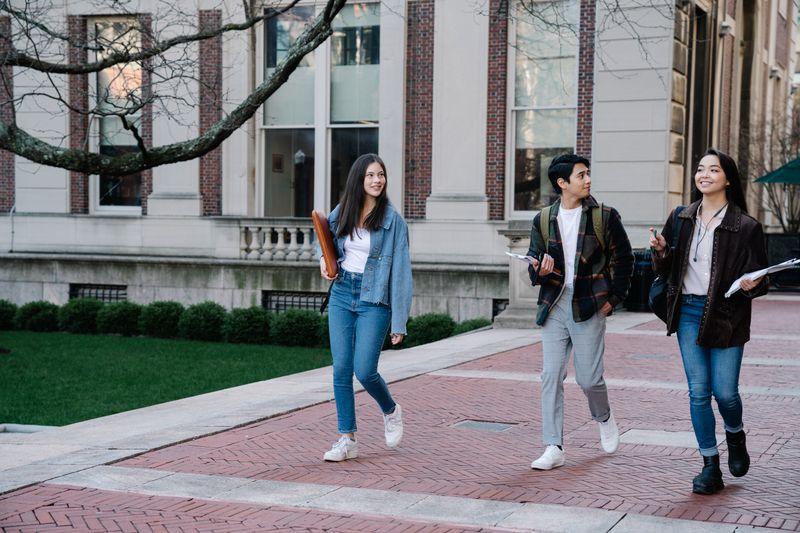
What Summer Programs Does UNF Actually Offer High Schoolers?
UNF pre-college programs span more ground than a single "summer research program" search suggests. Three distinct options exist, each with a different structure and focus.
| Program | Focus | Format |
|---|---|---|
| Biomedical Summer Research Experience | Engineering, healthcare, biomedical research | Hands-on, project-based |
| Youth Environmental Leadership Program (YELP) | Environmental science and leadership | Year-long cohort, competitive |
| FIE Pre-Collegiate Connections (CROP) | College exposure and access | Five-day residency plus college tours |
Only one of these three, the Biomedical Summer Research Experience, is a research program in the strict sense. The other two serve real but different purposes: leadership development and college exposure.
The UNF Biomedical Summer Research Experience
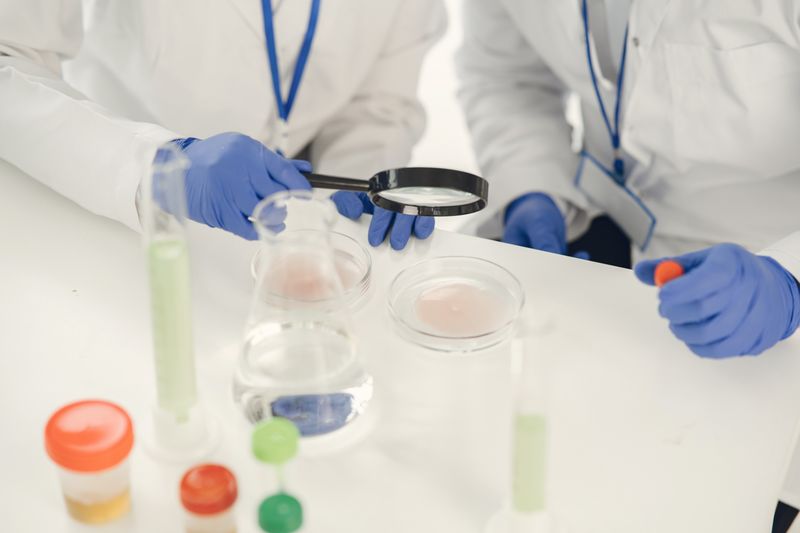
UNF biomedical summer research experience is a hands-on, interdisciplinary program open to high schoolers alongside undergraduates and K-12 teachers. The engineering and healthcare research curriculum aims at advanced problem-solving and teamwork, applied to real-world challenges connected to people with disabilities. Students and teachers from groups underrepresented in engineering, along with those with disabilities, are specifically encouraged to apply.
If biomedical engineering is your actual interest, our guide to biomedical engineering research programs for high school students covers additional options beyond this single program.
UNF's Youth Environmental Leadership Program (YELP)
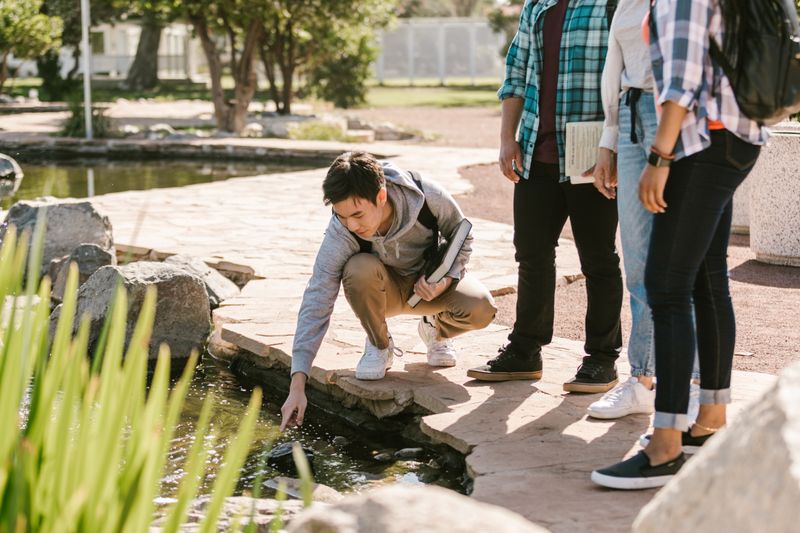
UNF YELP environmental leadership program runs through UNF's Institute of Environmental Research and Education, and it's structured differently than a typical summer program. Rather than a single summer block, YELP runs June to June as a year-long commitment: a two-day on-campus orientation followed by monthly meetings and two online mini-courses, built for a small, competitively selected cohort of high-achieving students.
This is the one program of the three UNF explicitly describes as competitive. If your interest is environmental science specifically, expect a real application process, not an open-enrollment summer camp.
UNF/FIE Pre-Collegiate Connections (CROP)

UNF CROP pre-collegiate program, run through UNF's Florida Institute of Education, is a five-day residency on UNF's campus combined with college tours to regional public and private colleges, including historically Black universities. The official CROP program page describes it as research-based and academically focused, but the actual experience leans closer to college access and exposure than a lab placement.
If what you actually want is hands-on research experience rather than campus exposure, this program is likely not the right fit, and the Biomedical Summer Research Experience above is the closer match.
How to Find Current Applications and Deadlines

- Confirm which of the three programs actually matches your goal before applying to anything, since they serve different purposes.
- Check each program's own page directly for the current cycle's deadline, rather than assuming a single shared application window across all three.
- Read the eligibility requirements carefully. Grade-level cutoffs and residency rules can differ by program and shift from year to year.
- Prepare materials specific to each program's focus. A YELP application should emphasize environmental interest specifically, not general academic strength.
- Apply to more than one option if you're eligible, since YELP in particular is explicitly competitive with a small cohort.
If you're weighing UNF against a broader set of options, our guide to high school STEM internship programs covers the wider field beyond any single university.
Common Mistakes Students Make
Assuming all three UNF programs are the same thing. They serve different purposes: research, leadership, and college access. Applying to the wrong one wastes the application cycle.
Treating CROP as a research placement. It's genuinely valuable for college exposure, but it isn't the hands-on lab experience some students expect from the description.
Waiting until the deadline to check eligibility. Confirming residency and grade requirements early avoids a wasted application late in the cycle.
Frequently Asked Questions
What is the UNF summer research program for high school students?
The phrase actually covers three distinct programs at the University of North Florida: the Biomedical Summer Research Experience, a hands-on engineering and healthcare research program; the Youth Environmental Leadership Program (YELP), a competitive year-long environmental science cohort; and the FIE Pre-Collegiate Connections program, a short residency combined with college tours.
Is the UNF Biomedical Summer Research Experience research-focused?
Yes, it's a hands-on engineering and healthcare research program open to high schoolers alongside undergraduates and K-12 teachers, with a stated focus on solving real-world problems that affect people with disabilities.
Is YELP a research program or a leadership program?
Both. YELP combines environmental science and stewardship with leadership skill-building, structured as a year-long commitment (June to June) rather than a single summer block, including an on-campus orientation followed by monthly meetings and online coursework.
Is the CROP program focused on research?
Not primarily. The FIE Pre-Collegiate Connections CROP program is a five-day residency combined with college tours, closer to a college-access and exposure experience than a research placement, even though UNF describes it as research-based and academically focused.
Is the UNF summer program competitive?
It varies by program. YELP is explicitly described as competitive, with a small cohort selected each year. The Biomedical Summer Research Experience and CROP don't publish specific acceptance rates, so competitiveness should be confirmed directly with each program.
How do you apply to UNF's pre-college programs?
Each program runs its own application process and timeline, so check the specific program's page directly rather than assuming a single shared deadline. Application windows and requirements shift year to year.
Are UNF's summer programs only for Florida students?
Not necessarily, though check each program's specific eligibility requirements directly, since residency and age requirements can differ by program and may change from year to year.
What if you don't get into a UNF program?
A self-directed research project is a real alternative, not a consolation prize. A significant number of ISEF projects are completed without any formal program or lab access, built instead around a specific question and consistent mentorship.
The Bottom Line
The UNF summer research program for high school students isn't one program at all. It's three, each solving a different problem: hands-on biomedical research, environmental leadership over a full year, or a short college-access residency. Figure out which problem you're actually trying to solve before applying, and check each program's own page directly for current details.
If your goal is an original research project with a dedicated mentor rather than a competitive cohort program, the Aspire Research Fellowship pairs you with a PhD-level mentor and a recent ISEF champion over 12 weeks. Over 20,000 students have gone through the program, with an acceptance rate of roughly 10%, open to grades 8 through 11.
Apply to the Aspire Research Fellowship →
For a self-directed starting point that doesn't depend on any single university's program, see our guide to how to start a research project in high school.