The Harvard Science Research Conference application gets searched by students who assume they're applying to something Harvard's admissions office runs, and that assumption changes what they expect to get out of it. HSRC is real, it's genuinely hosted on Harvard's campus, and it's worth applying to for the right reason. It's a two-day conference, not a research placement, and confusing the two is how students end up disappointed after paying a non-refundable fee. By the end of this guide, you'll know who actually organizes HSRC, what it costs, the real 2026 deadlines, and what the two days involve.
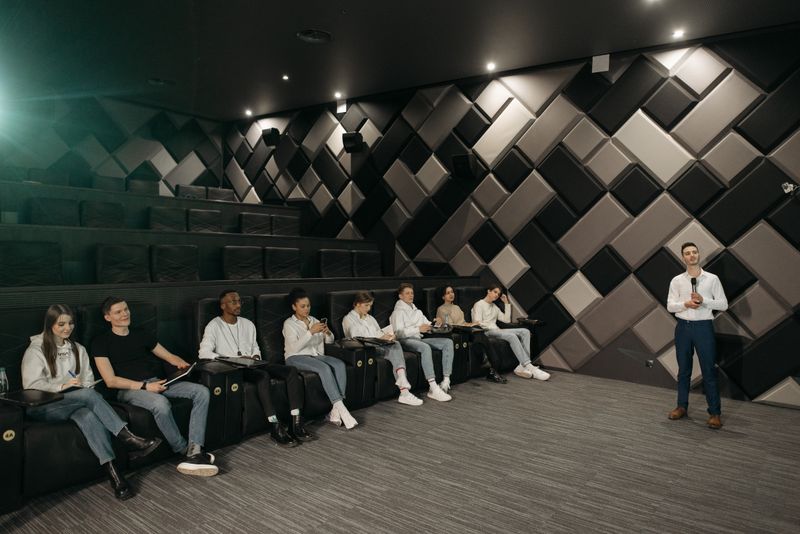
What Is the Harvard Science Research Conference?
HSRC is a two-day event for high school students in grades 9 through 12, organized by the Harvard College Undergraduate Research Association (HCURA), a Harvard undergraduate student organization founded in 2007. HCURA also runs the National Collegiate Research Conference for college students, and HSRC is its high school counterpart.
That distinction matters. HSRC is hosted on Harvard's campus in Cambridge and organized by Harvard students, but it isn't run by Harvard's admissions office, and attending carries no formal weight in how Harvard evaluates applicants. It's a research conference for high school students, closer in spirit to a STEM enrichment weekend than an admissions program or a research placement.
International students can apply, and there's no prior research experience requirement. The conference is built around exposure and skill-building: faculty keynotes, workshops, and mentorship, not a place to defend a finished project.
| In-Person | Virtual | |
|---|---|---|
| Dates | October 17-18, 2026 | October 17-18, 2026 |
| Location | Harvard University, Cambridge, MA | Live online sessions |
| Application fee | $30 | $30 |
| Participation fee | $160 | $20 |
| Eligibility | Grades 9-12, international students welcome | Grades 9-12, international students welcome |
| Refund policy | Non-refundable | Non-refundable |
Who Should Apply
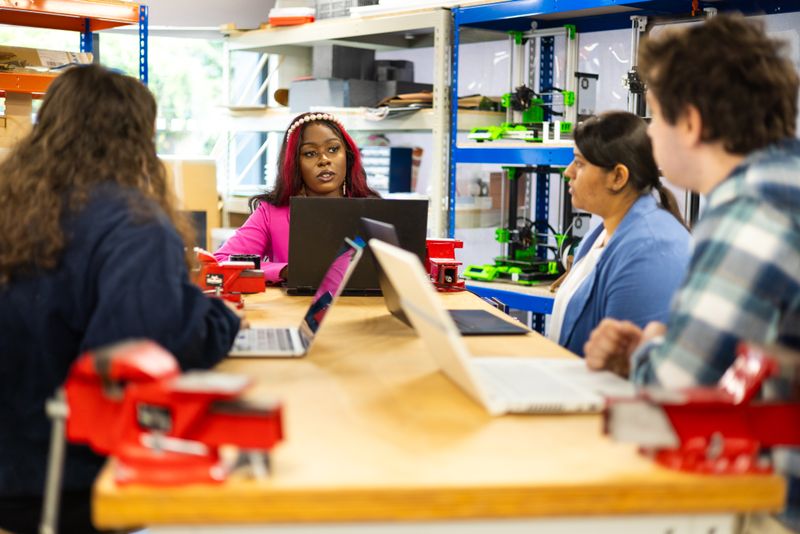
HCURA's own description targets students who "demonstrate an active willingness to learn" and "a special passion for the sciences," and specifically welcomes applicants without prior research experience. That's a real distinction from ISEF or a formal summer research program, both of which usually expect at least a project in progress. HSRC is aimed earlier than that: a ninth or tenth grader who reads about a topic obsessively but hasn't turned it into a project yet fits the intended applicant profile as much as an upperclassman with lab experience.
It's a weaker fit for a student who already has a finished project and wants a stage to present it. HSRC doesn't include formal poster sessions, so if showing off a completed study is the goal, a research competition built around presenting results is the better match.
The Application Process and 2026 Deadlines

Applications open August 3, 2026. The regular deadline is September 26 at 11:59 PM ET, and decisions go out the first week of October. Miss the regular window and there's still a path in: a late application period runs through October 10, but it's virtual attendance only, and it adds a $15 fee on top of the standard $30 application charge.
Every fee here is non-refundable, application and participation both, so it's worth being certain about the format (in-person or virtual) before paying. One detail HCURA flags directly on its own FAQ: students with a same-day SAT can still participate, which suggests the schedule is built with some flexibility around competing commitments, though it's worth confirming the exact overlap for your specific test date before counting on it.
In-Person vs. Virtual: What Actually Changes
The $140 gap between in-person ($160) and virtual ($20) participation fees is the most obvious difference, but it's not the only one. In-person attendees get two days physically on Harvard's campus: face-to-face workshops, informal hallway conversations with other attendees, and the kind of spontaneous networking that doesn't happen over a livestream. Virtual attendees get the same keynotes and structured programming, just without the in-person access.
Neither format includes a formal research presentation slot, so the core content, faculty keynotes and skills workshops, is the same either way. The real question is whether the in-person networking is worth $140 to you, not whether you're missing out on different programming.
What Actually Happens at HSRC

Three things fill the two days. Harvard faculty give keynote talks on their own current research, aimed at exposing students to active science rather than textbook material. Small-group workshops, led by Harvard students, teaching staff, and researchers, focus on skills that transfer across fields: how to read a paper, how to think about a research question, how to talk about your own interests clearly. And mentorship sessions pair high schoolers with Harvard undergraduates for guidance on resume building, public speaking, and college selection, the kind of conversation that can turn into a longer mentor relationship after the conference ends.
What's explicitly not part of the agenda: a formal place to present your own research. HCURA's own materials note that structured poster presentations aren't part of the program, though informal discussion between attendees is encouraged. If the appeal of a high school science symposium is standing next to your own poster and fielding questions about it, HSRC won't deliver that specific experience. What it delivers instead is closer to a two-day immersion in how Harvard's science community actually talks about research, plus a set of new contacts.
Financial aid or fee waivers aren't mentioned anywhere in HCURA's own program materials, so if cost is a real constraint, it's worth emailing HCURA directly to ask before assuming none exists.
How to Apply to HSRC

- Mark August 3 on your calendar. That's when the 2026 application opens, and there's no advantage to waiting once it does.
- Decide in-person or virtual before you start. The $140 fee difference and the travel commitment for in-person attendance are both worth settling ahead of time, not mid-application.
- Submit before September 26 at 11:59 PM ET. Missing the regular deadline pushes you into the virtual-only late window with an added $15 fee.
- Pay the $30 application fee. It's separate from the participation fee and non-refundable regardless of outcome.
- Watch for a decision the first week of October. If admitted, the participation fee is due to confirm your spot.
- If cost is a barrier, ask HCURA directly. No fee waiver program is listed publicly, but a direct question costs nothing.
Frequently Asked Questions
What is the Harvard Science Research Conference?
HSRC is a two-day conference for high school students in grades 9-12, run by the Harvard College Undergraduate Research Association (HCURA), a recognized Harvard undergraduate student organization, not Harvard's admissions office. It combines faculty keynotes, skills workshops, and mentorship from Harvard students, held on campus in Cambridge or virtually.
Is the Harvard Science Research Conference actually run by Harvard University?
It's hosted on Harvard's campus and organized by Harvard undergraduates through HCURA, which is recognized among Harvard's undergraduate science organizations, but it isn't administered by Harvard's admissions office and has no connection to Harvard's own admissions decisions.
How much does the Harvard Science Research Conference cost?
The application fee is $30 regardless of format. Attending costs an additional $160 for in-person participants or $20 for virtual participants, and none of these fees are refundable.
When is the HSRC application deadline?
Applications open August 3 and the regular deadline is September 26 at 11:59 PM ET. A late window stays open through October 10 for virtual applicants only, with an extra $15 fee attached.
Can you present your own research at HSRC?
No. HSRC doesn't include a formal poster or research presentation session. Informal discussion between attendees is encouraged, but the two days are built around keynotes, workshops, and mentorship, not presenting a finished project.
Is the Harvard Science Research Conference competitive?
HCURA describes it as competitive but not overwhelmingly so. Selection reportedly favors demonstrated curiosity and willingness to learn over a polished resume, and no prior research experience is required to apply.
Do you need research experience to apply to HSRC?
No. HSRC is built for students at any stage, including those who haven't started a project yet. The point of the conference is to build interest in research, not to showcase results you already have.
Is the Harvard Science Research Conference worth it?
As a two-day way to hear from Harvard faculty, pick up research-adjacent skills, and meet other curious students, it's a reasonable use of a weekend. If your goal is to walk away with a completed, defensible project of your own, HSRC isn't built for that, and knowing the difference before you pay the fee matters.
The Bottom Line
HSRC is exactly what it says it is: a two-day conference for curious high schoolers, run by Harvard students, not a research program or an admissions credential. That makes it a reasonable, low-stakes way to hear from real faculty and meet other students who care about science, and a poor substitute for anyone hoping to leave with an actual project. Aspire's position on research hasn't changed just because a conference happens to be involved: watching other people talk about research and doing your own are different activities, and only one of them gives you something you can defend in an interview or build on later.
If two days of exposure leaves you wanting the second thing, the Aspire Research Fellowship pairs you with a PhD mentor and a recent ISEF champion for 12 weeks, open to grades 8 through 11, with more than 20,000 students through the program so far.
Apply to the Aspire Research Fellowship →
For a broader look at where else to find opportunities like this, see our guide to research opportunities for high school students, or check how research fits into a strong college application before you decide where to spend your time and money.